
Higgsfield is widely used by creators looking to produce AI-generated videos, cinematic shots, social content, and visual effects. But as AI video tools evolve, creators have more choices than ever.
Some platforms focus on fast video generation, while others offer project planning, multiple AI models, editing, or better ways to work with references and existing footage.
So, instead of looking for an exact copy of Higgsfield, it makes sense to compare alternatives based on the type of work you want to create.
What Should You Look for in a Higgsfield Alternative?
Start with your workflow.
If you’re creating short social videos, generation speed and creative effects may matter most. Filmmakers may need storyboards, character consistency, reference handling, and editing. Agencies and brands may care more about producing multiple variations while keeping their visual identity consistent.
The best alternative is the one that solves the part of your workflow where you need the most help.
Invideo agent
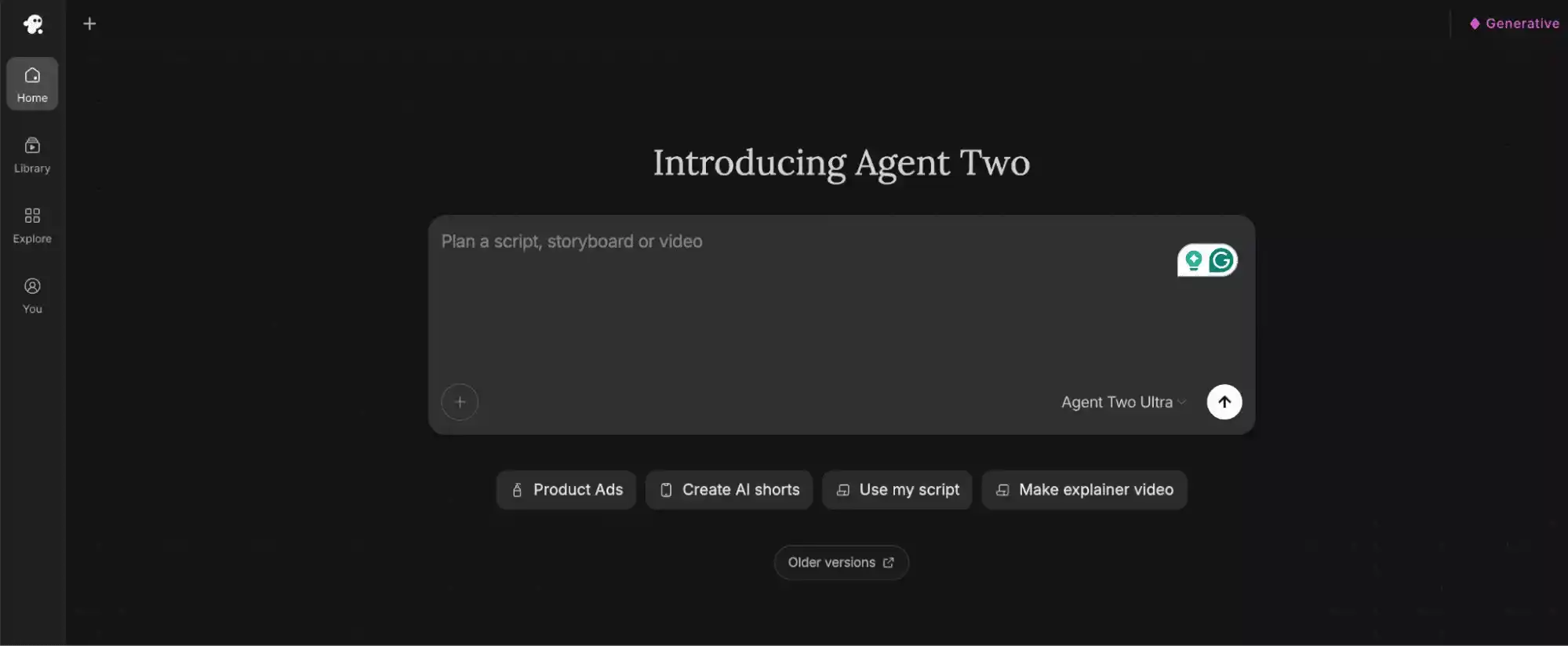
Invideo agent takes a broader approach to AI video production. Instead of focusing only on generating individual clips, it can support scripting, visual development, shot planning, generation, editing, voice, music, and other parts of the production process. It also brings 200+ AI models for video, image, audio, and music into one workflow.
Agent Two adds persistent project memory for characters, locations, costumes, references, and creative decisions. It also supports expert agents for roles like DOP, storyboard artist, and VFX artist, along with lip sync AI for synchronizing dialogue with characters.
Another useful feature is its ability to work with existing material. Agent Two can read scripts, PDFs, brand books, videos, rough cuts, and uploaded footage, helping creators build new material based on what is already available.
Pricing: Invideo offers Plus at $17/month, Max at $85/month, and Generative at $170/month.
LTX Studio
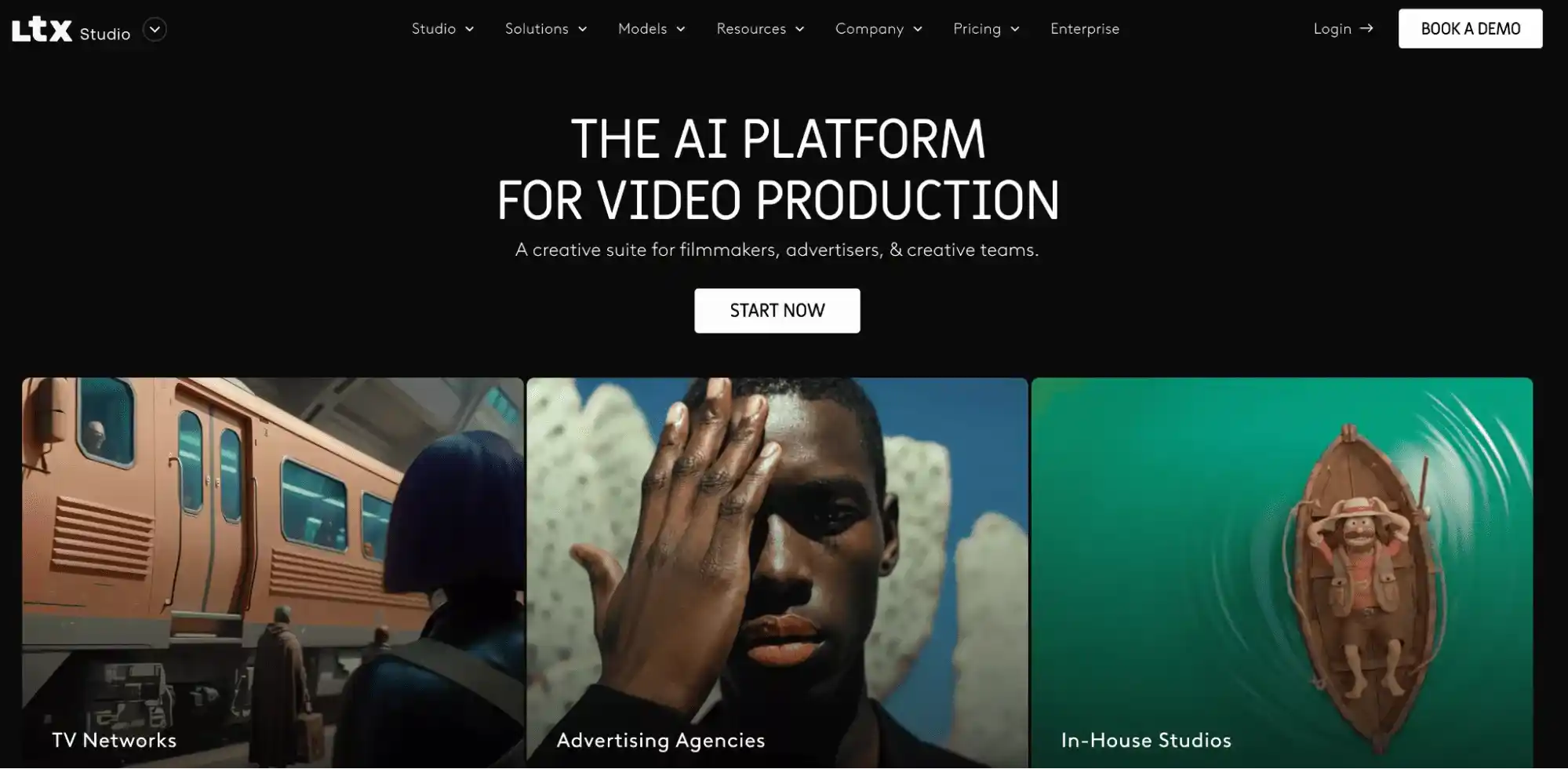
LTX Studio connects AI video generation with the planning stages of filmmaking.
Creators can develop concepts, scripts, storyboards, scenes, and generated footage in a more structured environment. This makes it useful when you want to explore how a project will look before committing to full production.
Rather than generating disconnected clips, the platform helps creators think about the project as a sequence of scenes.
Pricing: LTX Studio offers Lite at $15/month, Standard at $35/month, and Pro at $125/month.
PixVerse
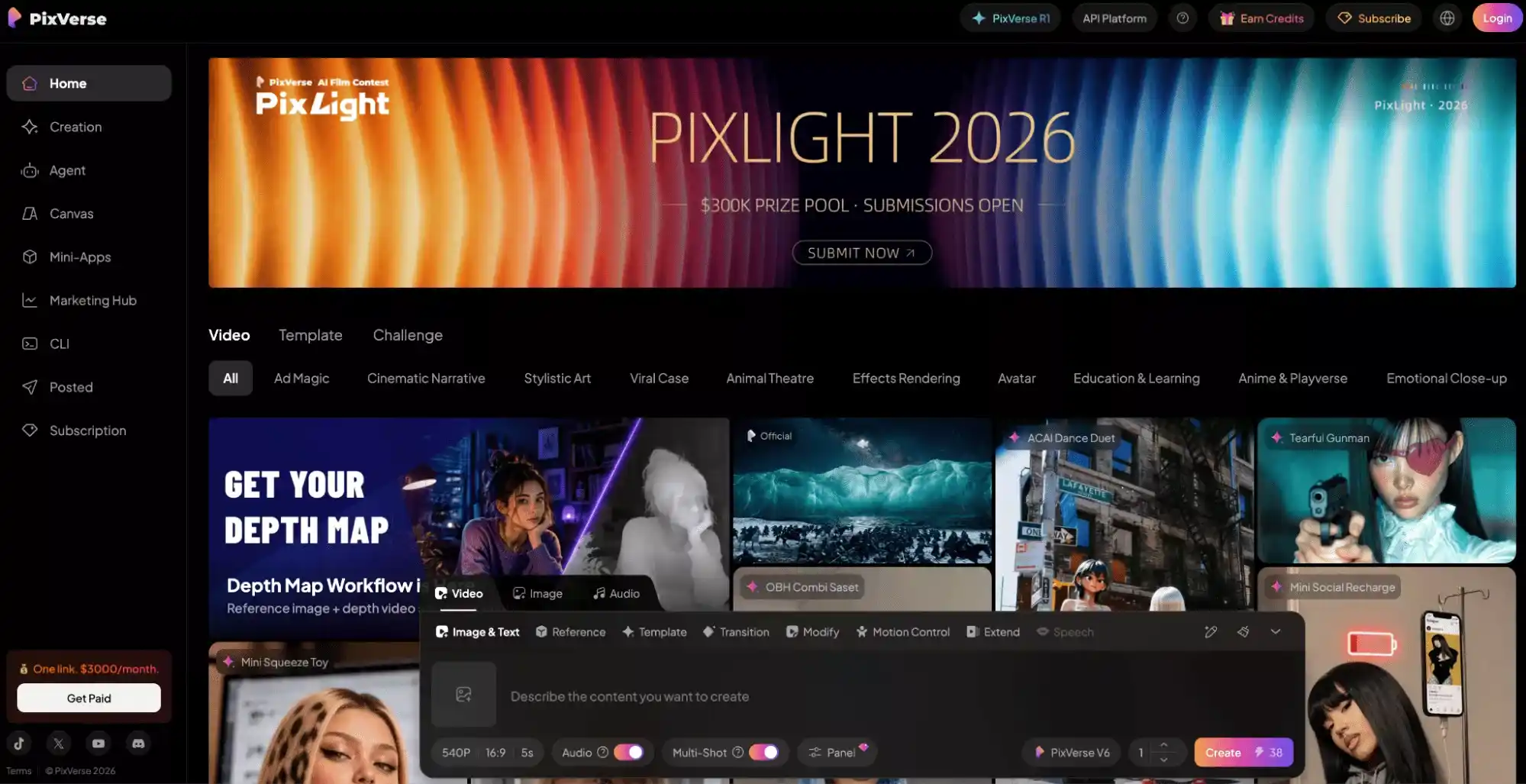
PixVerse focuses on quick AI video creation and visual experimentation. It supports text-to-video and image-to-video workflows, along with creative effects and transformations.
This makes it a practical choice for social media creators, marketers, and anyone who needs short clips without setting up a complete filmmaking workflow.
It can also be useful for testing several visual concepts before deciding which direction deserves more production time.
Pricing: PixVerse’s paid plans include Standard at $10/month, Pro at $30/month, and Premium at $60/month.
Seedance
Seedance takes a multimodal approach to video generation. Instead of relying only on written prompts, creators can work with different types of references, including images, video, and audio.
This can be useful when a visual idea is easier to demonstrate than describe. A creator can provide reference material and use it as part of the direction for a new sequence.
For filmmakers and creative professionals, this can make the process of translating an existing visual idea into AI-generated footage more flexible.
Pricing: Seedance offers Starter at $29.90/month, Premium at $49.90/month, and Advanced at $89.90/month.
Haiper
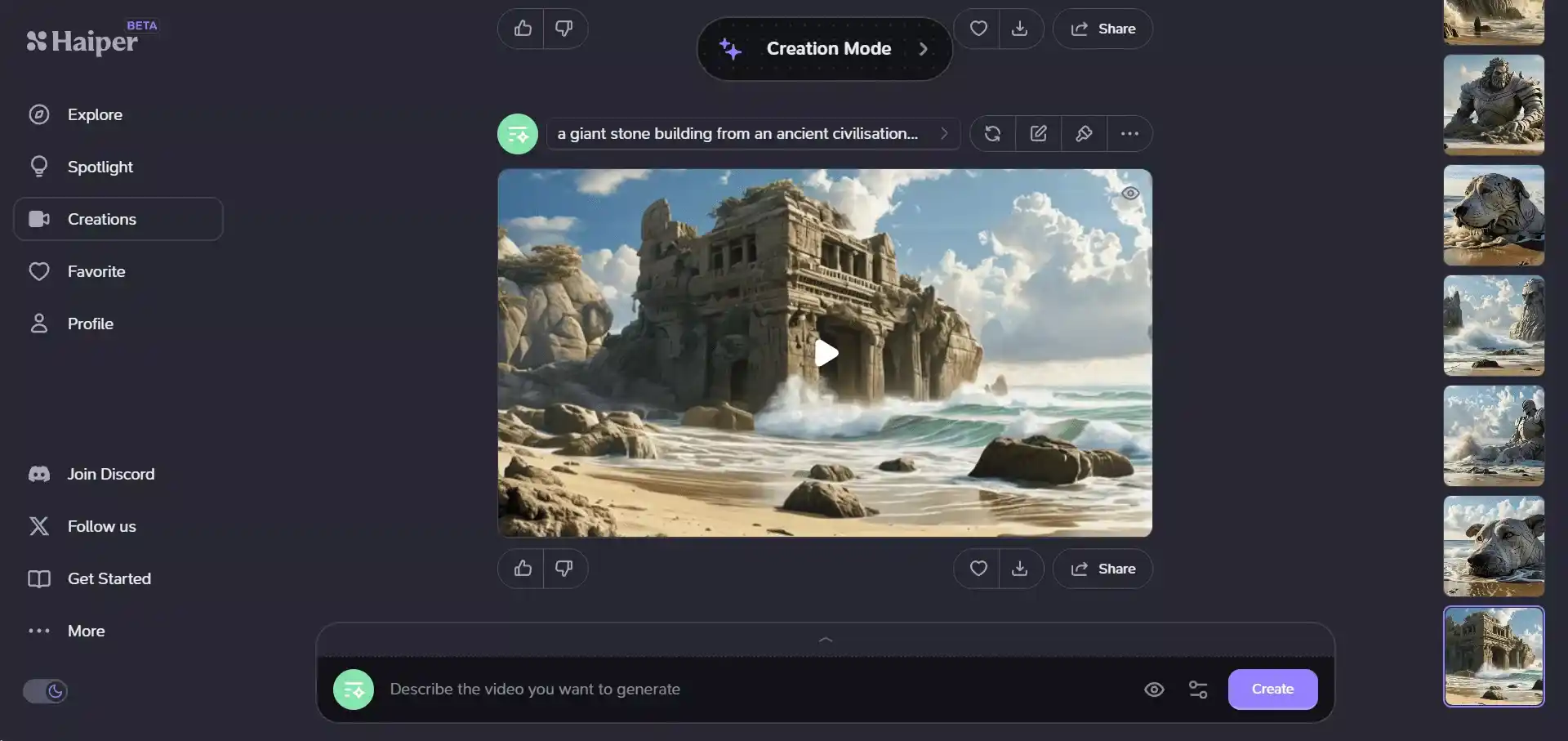
Haiper offers a straightforward way to experiment with AI-generated video. Its workflows include text-to-video and image-to-video creation, making it suitable for short clips, social content, concept development, and visual experiments.
The platform is more focused on individual generations than managing a complete film production. That can be an advantage if you simply want to create a shot without dealing with a larger production environment.
Pricing: Haiper offers free and paid plans, with usage limits varying by subscription.
Google Veo
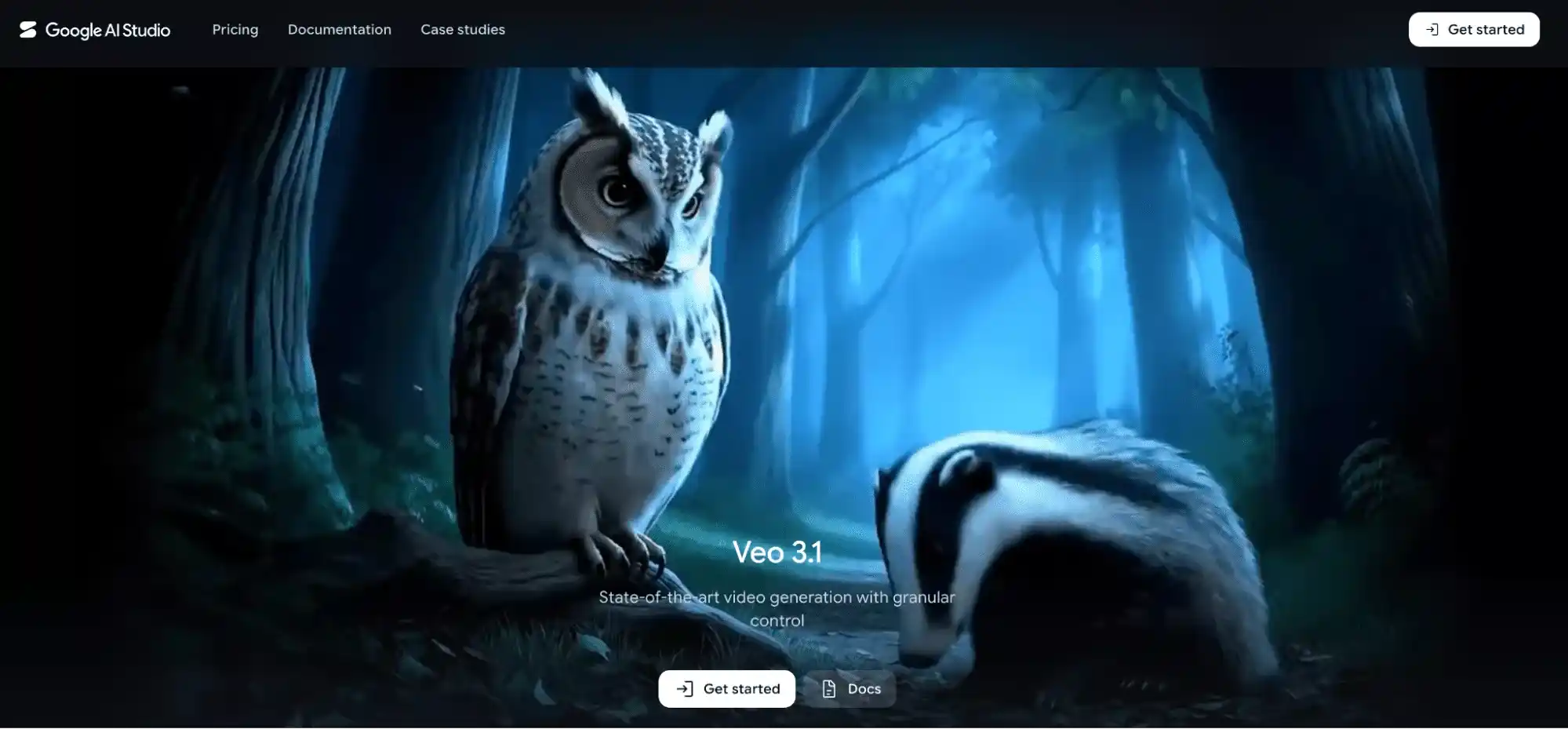
Google Veo is a useful option for creators who mainly want a dedicated video generation model.
Instead of trying to manage every stage of production, creators can use Veo to generate specific footage and then take those clips into their existing editing workflow.
This approach can work well for agencies, filmmakers, and content teams that already have established processes for scripting, editing, and publishing.
Pricing: Veo pricing varies depending on how the model is accessed, including consumer products and developer services.
Artlist AI
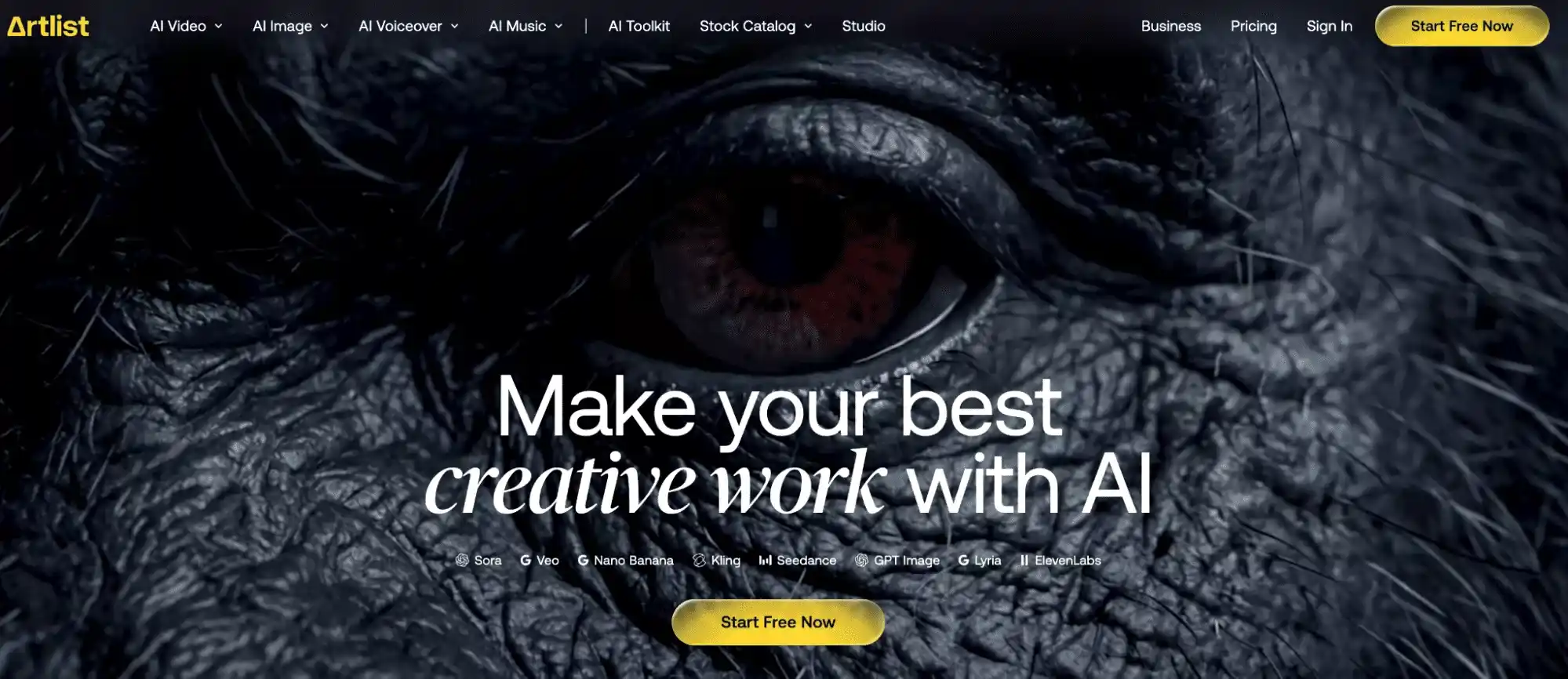
Artlist AI takes a wider content-production approach. Alongside AI-powered creation tools, the platform offers music, sound effects, stock footage, and other creative resources.
This can be useful when a video requires more than generated visuals. Instead of finding music and supporting assets through separate services, creators can combine AI-generated content with resources from the same ecosystem.
It is particularly relevant for marketers and content teams producing videos regularly.
Pricing: Artlist AI has AI Starter at $19/month, AI Creator at $69/month, and AI Professional at $399/month.
Look Beyond the AI Video Model
When comparing Higgsfield alternatives, generation quality is only one part of the decision.
Think about everything around the generation process. Can the platform handle references? Can characters remain consistent? Can you edit the result? Can you organise a larger project? Can you create variations without rebuilding the entire workflow?
These questions become more important as your projects get bigger.
A creator making a five-second social clip may not need project memory. A filmmaker producing a multi-scene story probably will.
Your Workflow Should Decide the Alternative
Different tools make sense for different jobs.
If you need a broader filmmaking workflow, invideo agent and LTX Studio are worth considering. For quick visual experiments, PixVerse and Haiper offer more direct generation workflows. Seedance is interesting for multimodal creation, while Google Veo works well as a dedicated generation option. Artlist AI is useful when AI creation needs to sit alongside music, sound, and stock content.
There is also no reason to use one platform for everything. A production team might use one tool for planning, another for a particular type of generation, and a separate editor for the final cut.
Final Thoughts
The AI video market is becoming less about one universal tool and more about specialised creative workflows.
Higgsfield remains useful for creators who like its cinematic and short-form capabilities, but there are now alternatives designed around different priorities.
The right choice depends on the kind of video you produce, how much control you need, and whether you want AI to handle one part of production or work alongside you across the entire project.