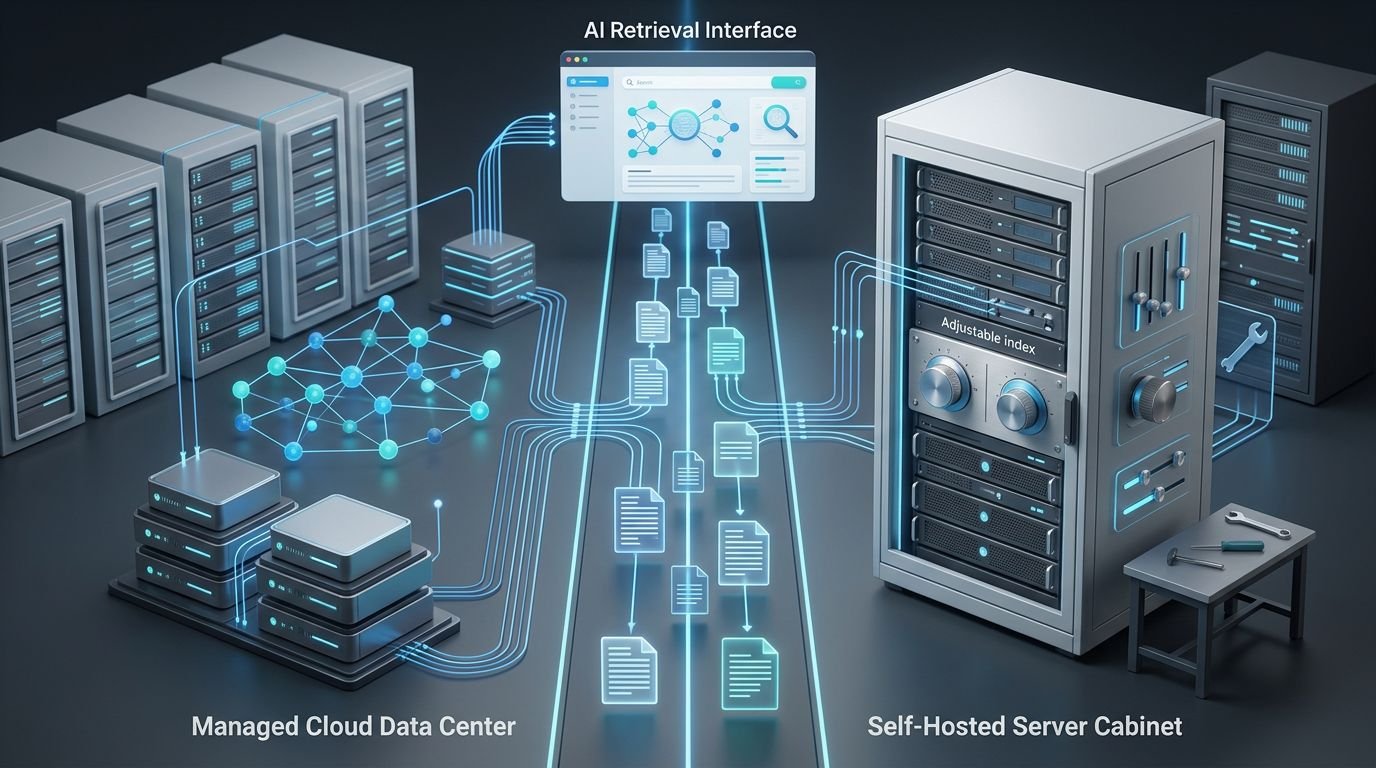
Pinecone vs Qdrant for small RAG apps in 2026
Most small Retrieval-Augmented Generation (RAG) apps don’t break because they picked the wrong vector database. They break because retrieval quality, permissions, and operating costs were
Most small Retrieval-Augmented Generation (RAG) apps don’t break because they picked the wrong vector database. They break because retrieval quality, permissions, and operating costs were
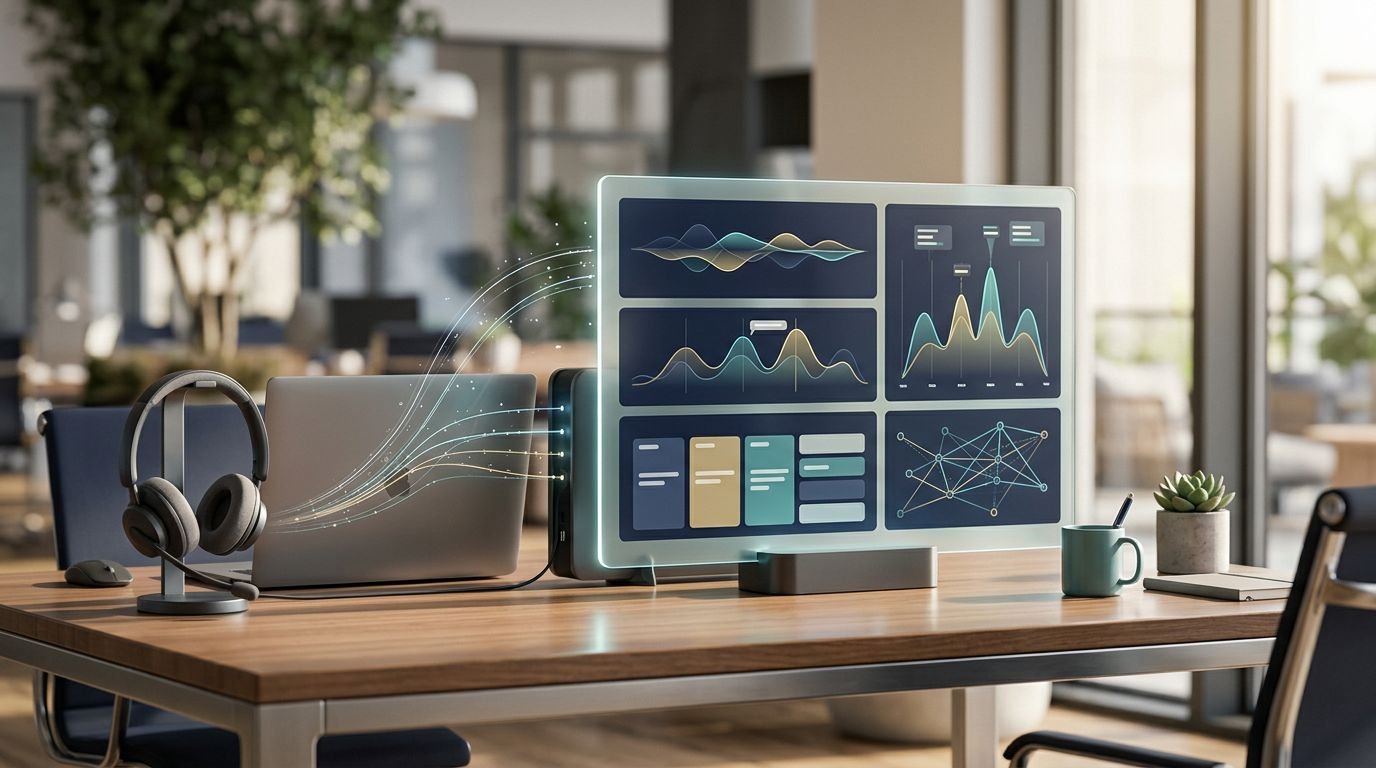
Most small sales teams don’t have a training problem. They have a manager-time problem. Calls happen, notes land in the CRM, and managers lack the
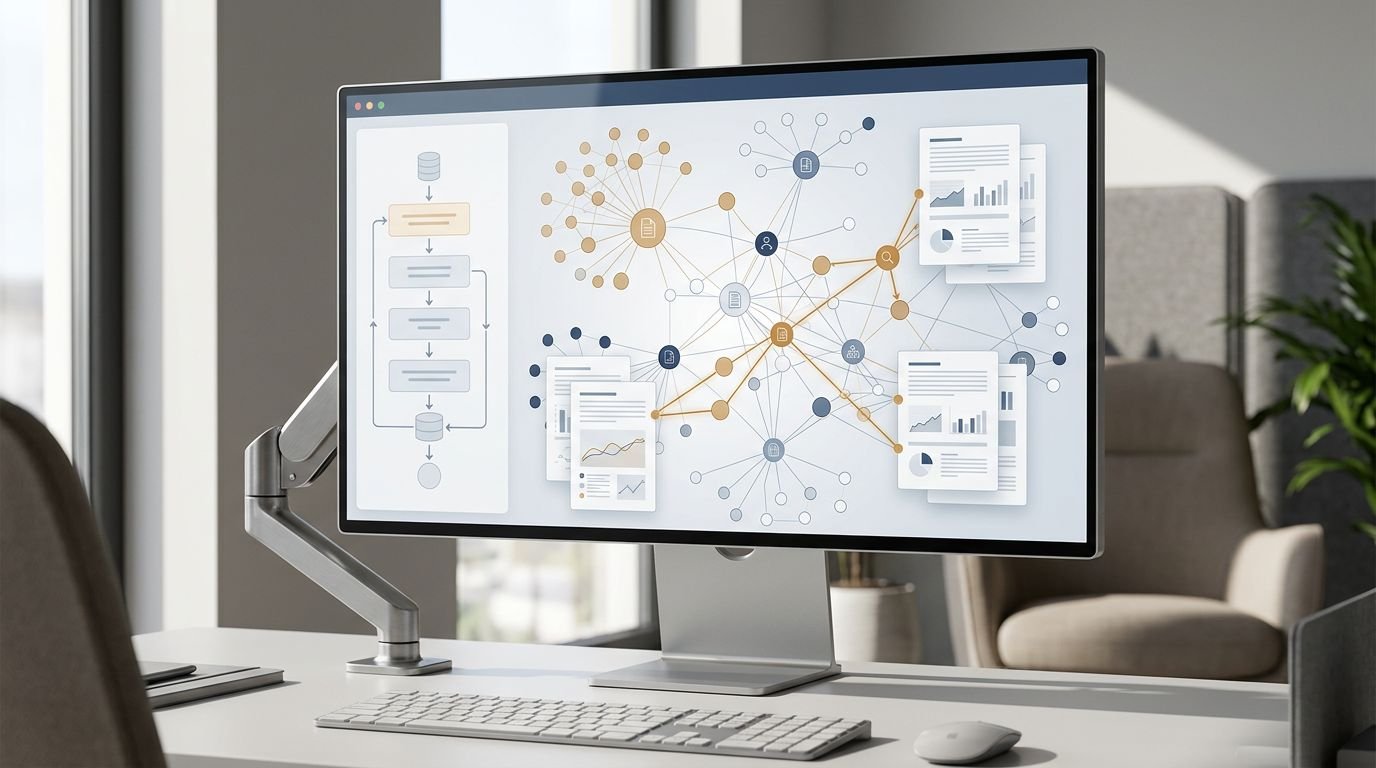
Most RAG failures aren’t language-model failures. The system retrieved text that sounded related, then asked the model to guess the connection. GraphRAG for small teams
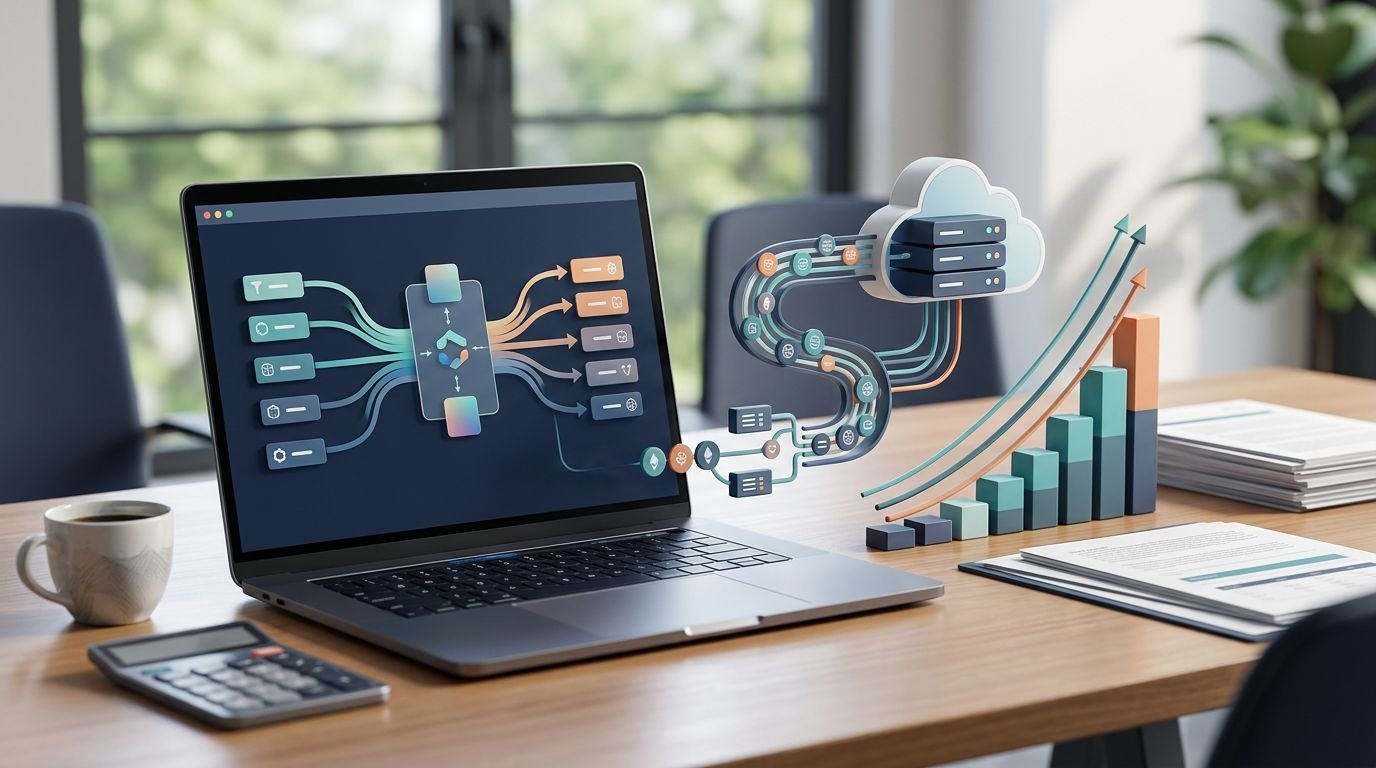
A $20 prototype can turn into a four-figure monthly bill faster than most founders expect. LLM API pricing isn’t hard to understand, but headline rates
An answer that takes 200 tokens should not cost the same as an agent that reads a repository, calls tools, and fixes a failed test.
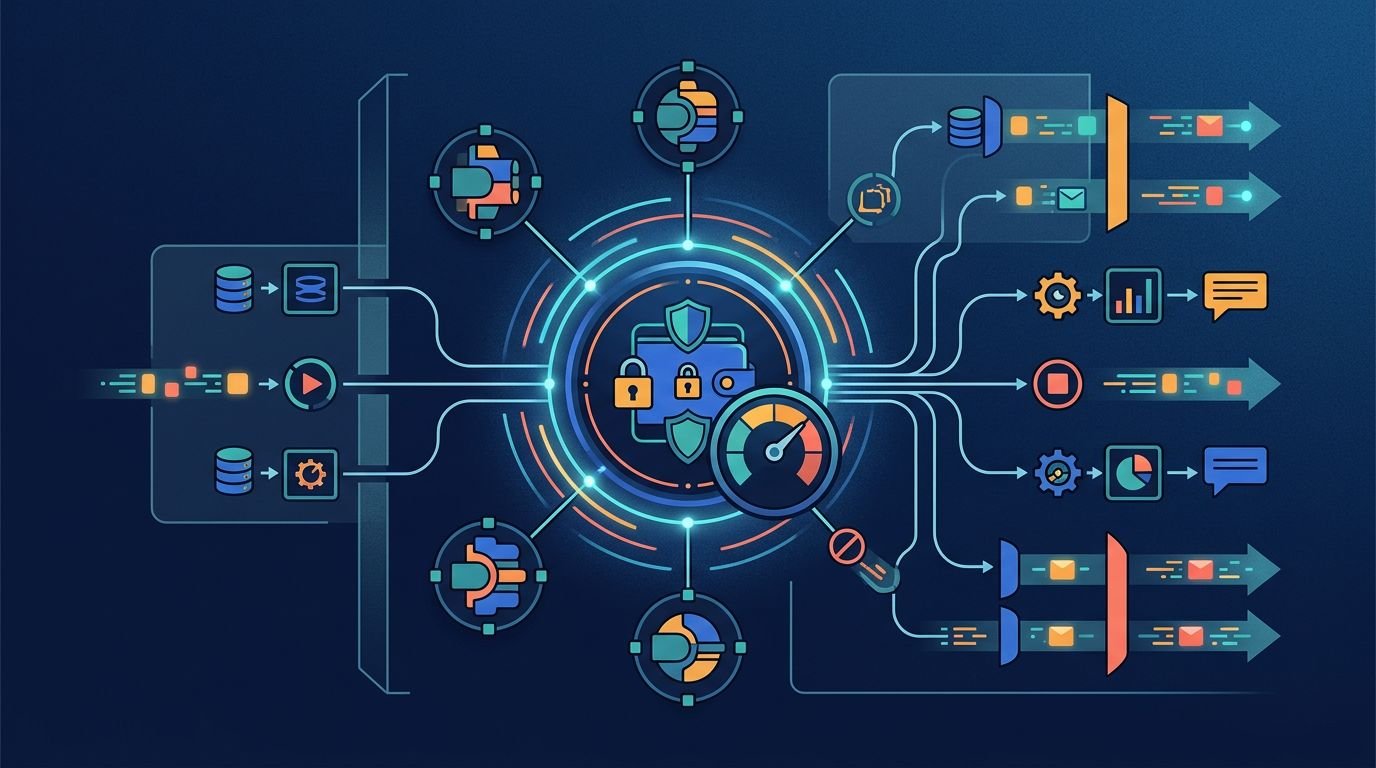
Autonomous agents can turn one customer request into model calls, retrieval, tools, retries, and parallel sub-agents. In multi-agent systems, that expansion is why AI agent
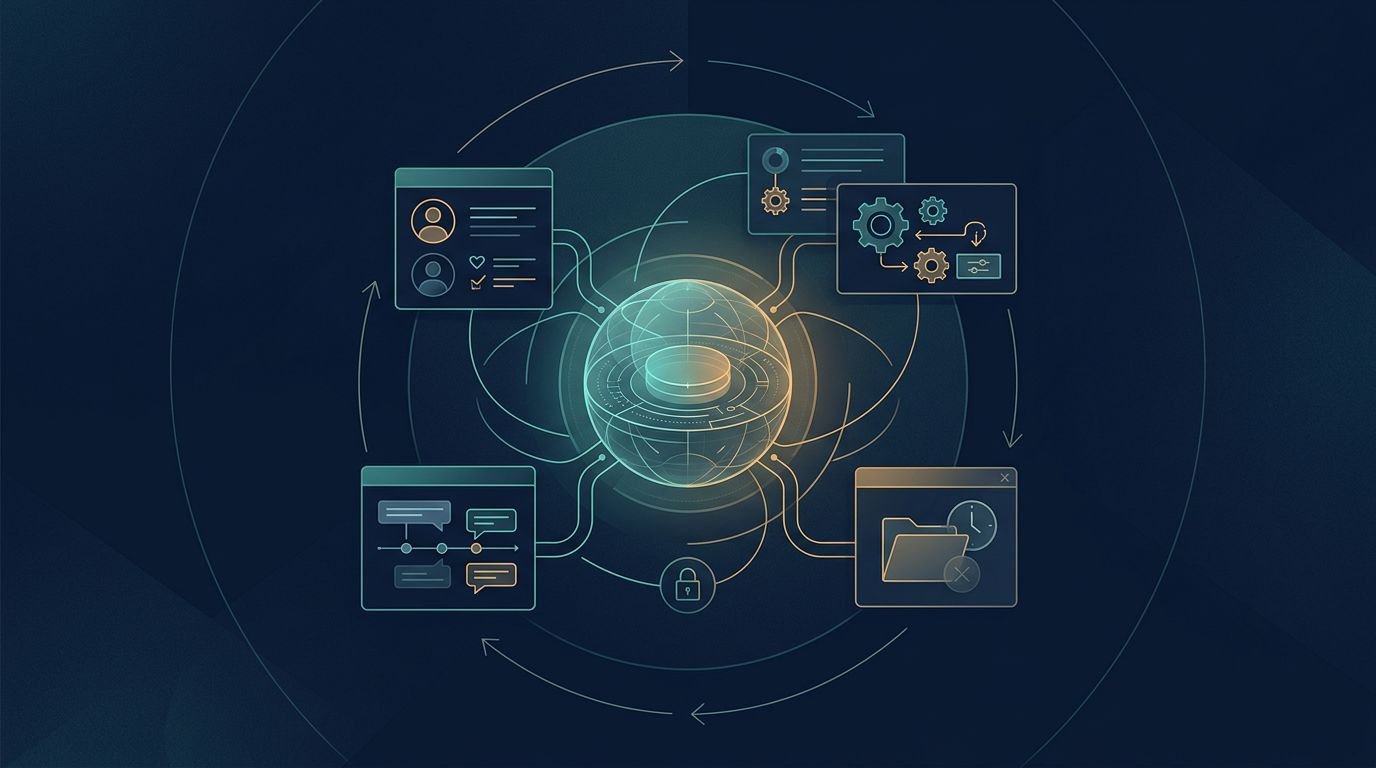
The first time a customer has to repeat their plan, preferred workflow, and last support issue, your AI assistant feels less like software and more
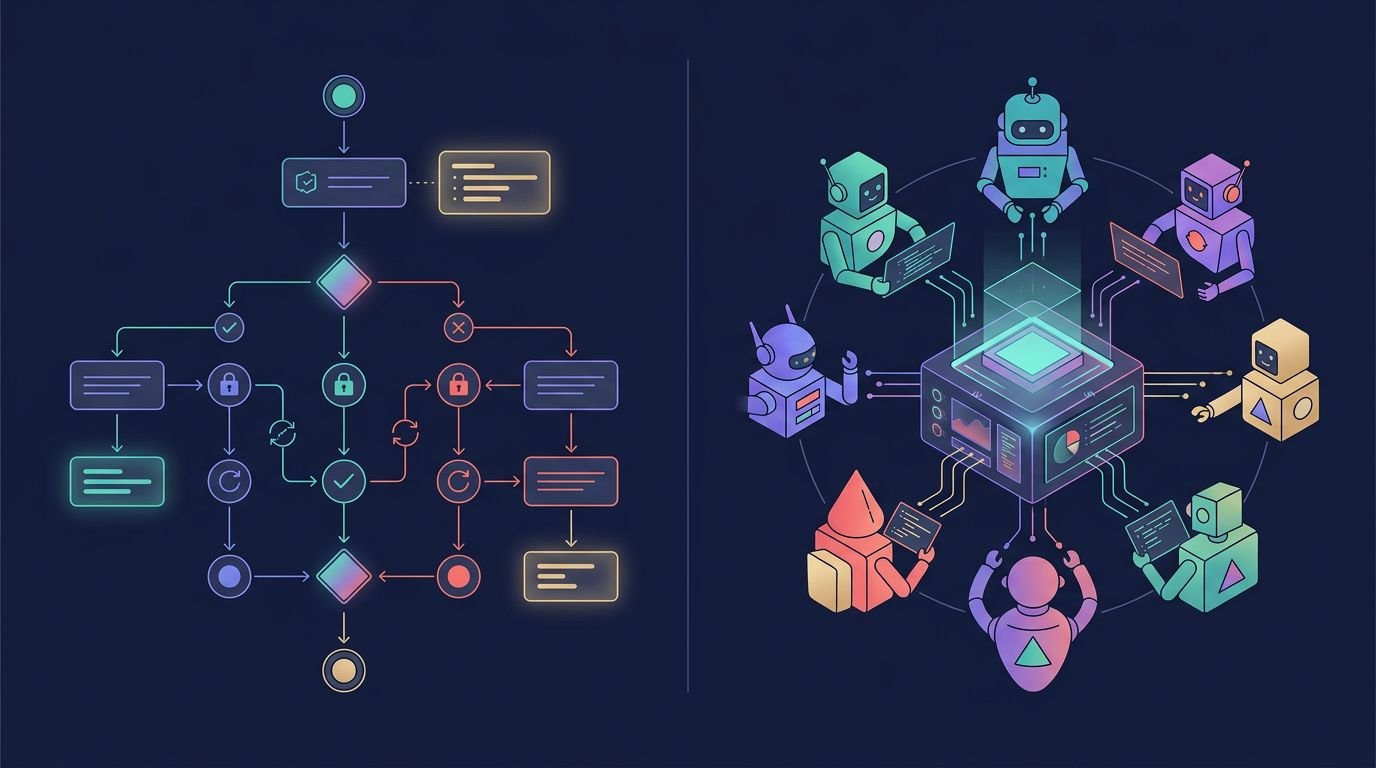
AI agents rarely fail because they cannot produce an answer. Production failures usually happen around tool timeouts, customer approvals, blocked permissions, and lost context. LangGraph
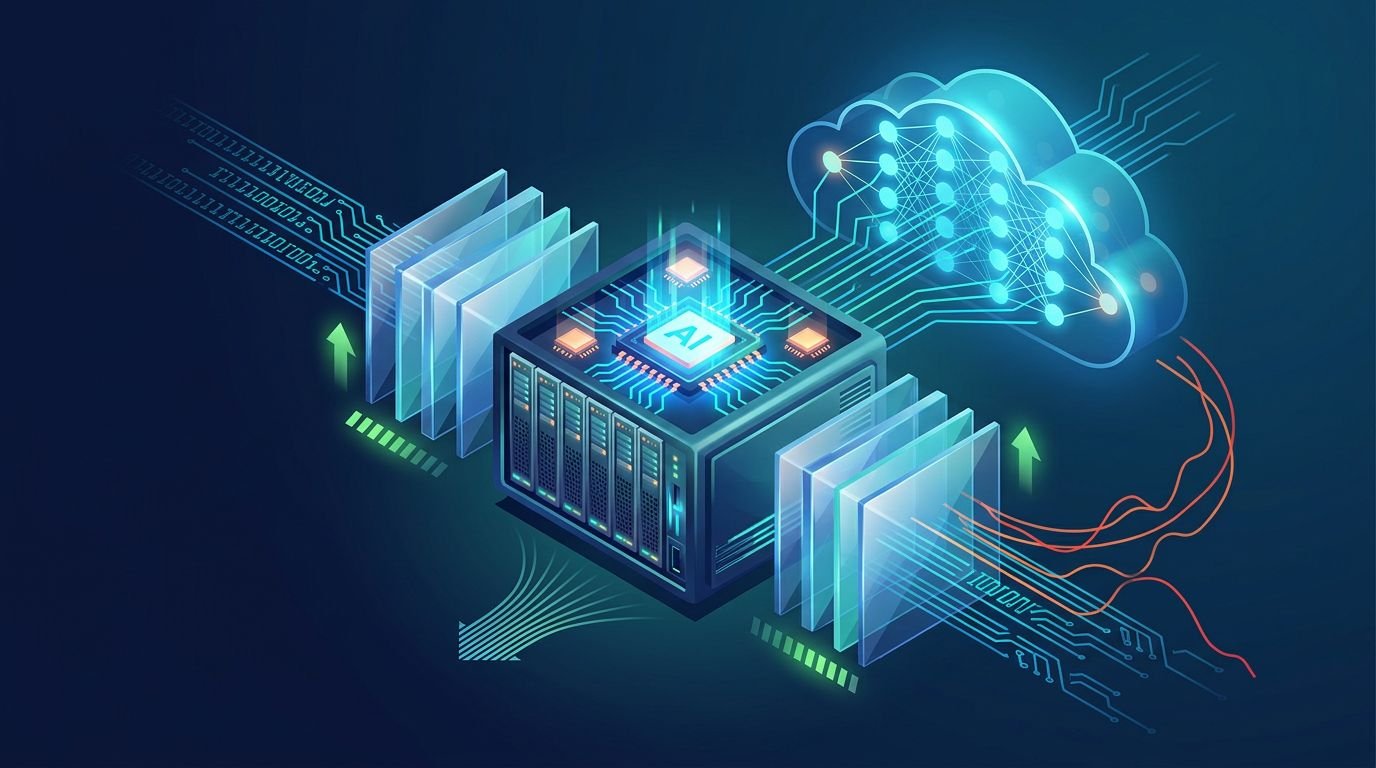
A small app can create unnecessary spend for large language models when it sends the same 2,000-token context hundreds of times each day. LLM caching
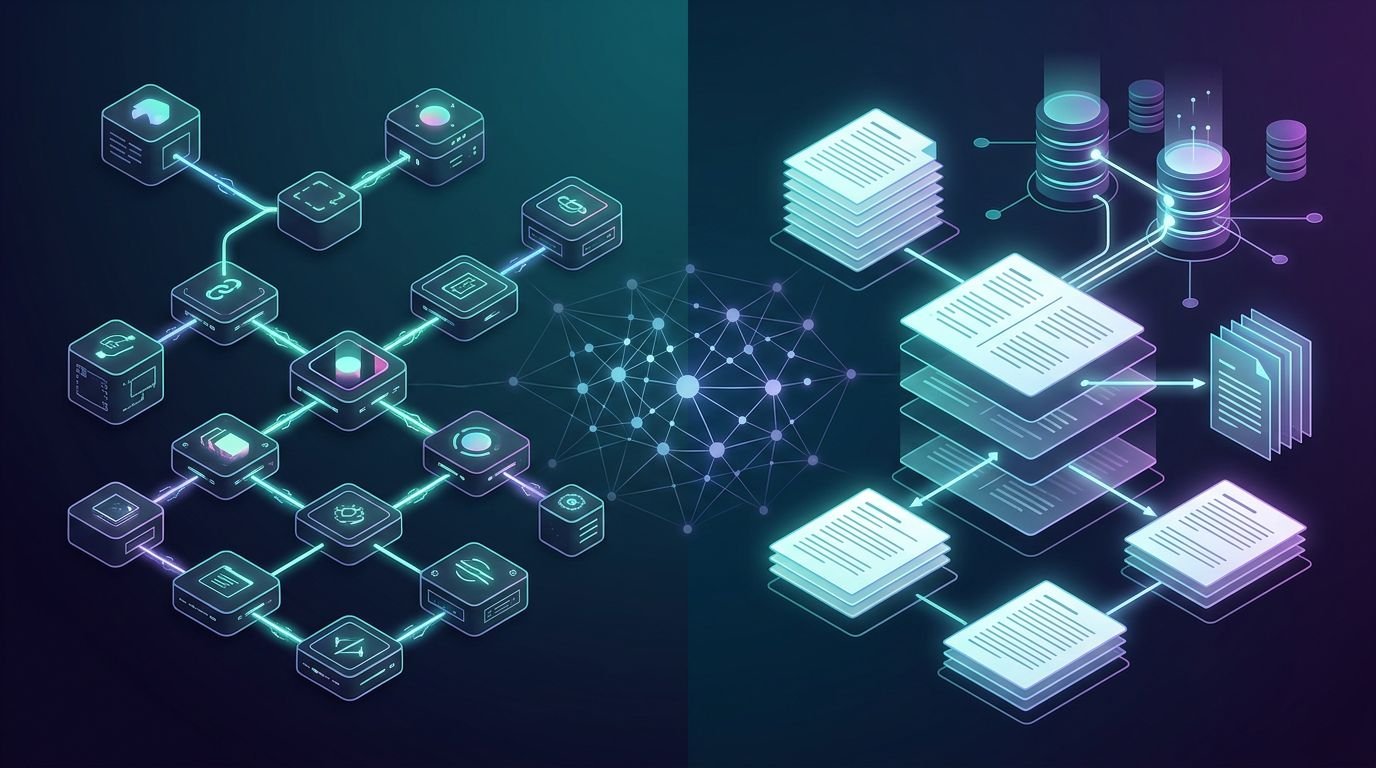
A small retrieval-augmented generation app can look finished long before it is reliable. The demo answers a few familiar questions, then fails on an outdated