
Support teams do not lose time on hard tickets first. They lose it on reading. Long threads, repeated handoffs, missing context, and a customer who already explained the issue three times are the primary culprits.
That is why AI ticket summary tools matter in 2026. By leveraging Generative AI, these solutions distill complex conversations into actionable insights, significantly boosting customer support efficiency. When these tools work, they cut handle time and improve handoffs. When they do not, they simply turn a messy queue into a faster, more confusing one. Here is how I separate the truly useful tools from the marketing fluff.
Key Takeaways
- Prioritize Workflow Fit: Native tools like Zendesk AI and Freddy AI are the safest starting point; they win on deployment speed and native integration with existing ticket status, custom fields, and routing logic.
- Demand Boring Precision: A summary is only successful if it captures the current state, identifies previous agent commitments, and stays grounded in internal knowledge without requiring agents to reopen the original thread.
- When to Expand: Look beyond native options toward third-party tools like Twig or BlueTweak only when your workflow requires cross-platform coverage, heavy automation, or resolution support beyond simple thread compression.
- Avoid the False Confidence Trap: Test tools with ‘ugly’ tickets—those with conflicting notes, mid-thread changes, or complex escalations—to ensure the AI doesn’t hallucinate or provide stale, outdated summaries.
What a good ticket summary tool actually does
I do not judge these tools by whether they can shorten a thread into five bullets. That is the easy part. I judge them by whether the next agent can take over without reopening the whole conversation.
A high-quality summary tool leverages Natural Language Processing to synthesize complex interactions into actionable insights. To be truly effective, it must perform four jobs at once: compress the thread, preserve the facts, surface the current state, and avoid inventing details. If it misses any one of these, the agent still has to read everything.
For Zendesk and Freshdesk teams, the details that matter most are often operational. The tool needs to excel at intent detection to understand what the customer truly wants, while simultaneously reviewing internal notes to see what previous agents have already discussed. It should also track ownership changes, promises made, refund status, and escalation history. By synthesizing both public replies and internal notes, good summaries keep the full operational context intact.
I also care about where the summary appears. If it lives in a separate app, adoption drops. If it sits inside the ticket view, agents use it because it saves a click and a context switch.
Here are the checks I use when I evaluate a tool:
- It captures customer intent, not only the latest message.
- It shows the current status, not only the history.
- It preserves agent commitments and deadlines.
- It stays grounded in the actual thread and your organization knowledge base.
- It updates cleanly as the ticket changes hands.
A summary is only useful if the next agent can act on it without reopening the full thread.
That is the baseline. Once a tool clears it, I start looking at workflow fit.
My quick picks for 2026
The short answer is simple. If I am already on Zendesk, I start with Zendesk AI. If I am already on Freshdesk, I start with Freddy AI. If I need stronger cross-platform coverage or heavier automation, I look at Twig first, then BlueTweak.
This table is the fast read.
| Tool | Best fit | Where it wins | Main limitation |
|---|---|---|---|
| Zendesk AI / Copilot | Teams already running Zendesk | Native summaries, agent assist, workflow support inside the ticketing system | Best value depends on staying inside the Zendesk stack |
| Freshdesk Freddy AI | Teams already running Freshdesk | Unified ticket context, native AI support features, lower friction for Freshdesk admins | Less attractive if your workflow spans multiple external systems |
| Twig | Higher-volume teams on Zendesk, Freshdesk, or mixed support stacks | Stronger autonomous resolution and advanced support AI depth | More operational lift than turning on a native add-on |
| BlueTweak | Teams that want a broader AI help desk layer | Summaries, routing, and agent assist in one setup | Less obvious choice if native platform AI already covers the basics |
The pattern is hard to miss. Native tools usually win on deployment speed. Cross-platform tools win when your support workflow is messy enough that native options stop being enough.
With Zendesk AI / Copilot, I like that the summary feature is not isolated. It is part of a larger agent workflow that also includes reply help and process support. That matters because summaries alone rarely justify a new tool.
With Freshdesk Freddy AI, the draw is similar. It works best when a team wants AI inside a system it already understands. Pulling scattered customer messages into a clearer ticket view is not flashy, but it saves time.
Twig is the more ambitious option. I see it less as a summary widget and more as a support AI layer for teams that want resolution help and advanced workflow automation rather than only thread compression. Its own 2026 view of AI support tools aligns with what I am seeing across the market: simple summarization is table stakes now.
BlueTweak looks strongest when the goal is broader help desk augmentation. If a team wants summaries, routing, and agent assistance in one package that excels at omnichannel support, it deserves a close look.

Why native AI often wins inside Zendesk and Freshdesk
Native tools do not always have the smartest model. They often have the best position in the workflow. That can matter more.
Zendesk AI is the safe first choice for Zendesk teams
If my team already lives in Zendesk, I do not start by shopping for outside summarizers. I start with the built-in option. The reason is simple: native context usually beats extra plumbing.
Zendesk AI has the inside track because it can work where the actual ticket state lives. That includes the thread, fields, and complex routing logic. By streamlining ticket triage, these tools ensure that agents spend less time reading and more time solving problems. Furthermore, since the tool is baked into the platform, it integrates seamlessly with automated ticket routing, ensuring that summarized information is always relevant to the current queue. A third party tool can summarize the conversation, but it may not understand the operational weight of custom fields or queue rules unless I wire that in myself.
For a deeper breakdown of the broader platform trade-offs, my Zendesk AI platform analysis is the better next read.
I like Zendesk AI most for email-heavy support teams, multi-agent queues, and operations that care about reporting consistency. Summary quality matters, but so does what happens after the summary appears.
Freddy AI makes the most sense for Freshdesk-first operations
Freshdesk teams usually want the same thing: less reading, less rework, and fewer dropped details during handoff. Freddy AI fits best when the team already relies on Freshdesk as the main system of record.
What makes Freddy appealing is not that it magically fixes support. It is that it can pull conversation fragments into a more usable ticket view while staying close to the existing workflow. This reduction in rollout friction makes it easier for teams to adopt AI tools, which ultimately drives better customer satisfaction by speeding up response times and preventing information gaps.
I would not switch platforms for Freddy alone. I would use it if I was already committed to Freshdesk and wanted AI help without adding another layer to train, govern, and troubleshoot.
For small and mid-sized US teams, that matters more than feature theater. A tool agents trust and open every day beats a clever add-on that turns into shelfware after week three.
Where third-party tools pull ahead
Third-party tools win when the support stack is wider than the help desk. If tickets pull data from Slack, internal docs, product logs, or multiple support surfaces, native summaries can start to feel thin.
That is where I start looking at tools like Twig and BlueTweak. I do not see them as obvious upgrades for every team. I see them as better fits for messy operations, high ticket volume, or workflows that need more than recap bullets.
Twig stands out when the goal moves from summarizing the issue to helping resolve the issue. That distinction matters. A pure summarizer reduces reading time, but Twig goes further by providing actionable insights and assisting with root cause analysis. This allows teams to identify repeated patterns and handle resolutions at scale.
BlueTweak looks more like a broad operational helper. Based on current 2026 coverage, it is worth considering for complex B2B support environments where I want summaries, routing, and agent assistance in one place rather than piecing together several narrow tools.
If you are still deciding whether your team needs a help desk with built-in AI or a wider support stack, this AI customer support software guide is useful context. And if the real bottleneck is agent productivity more than summarization alone, my take on the best agent assist software for support teams is the more relevant comparison.
How I test summary quality in real workflows
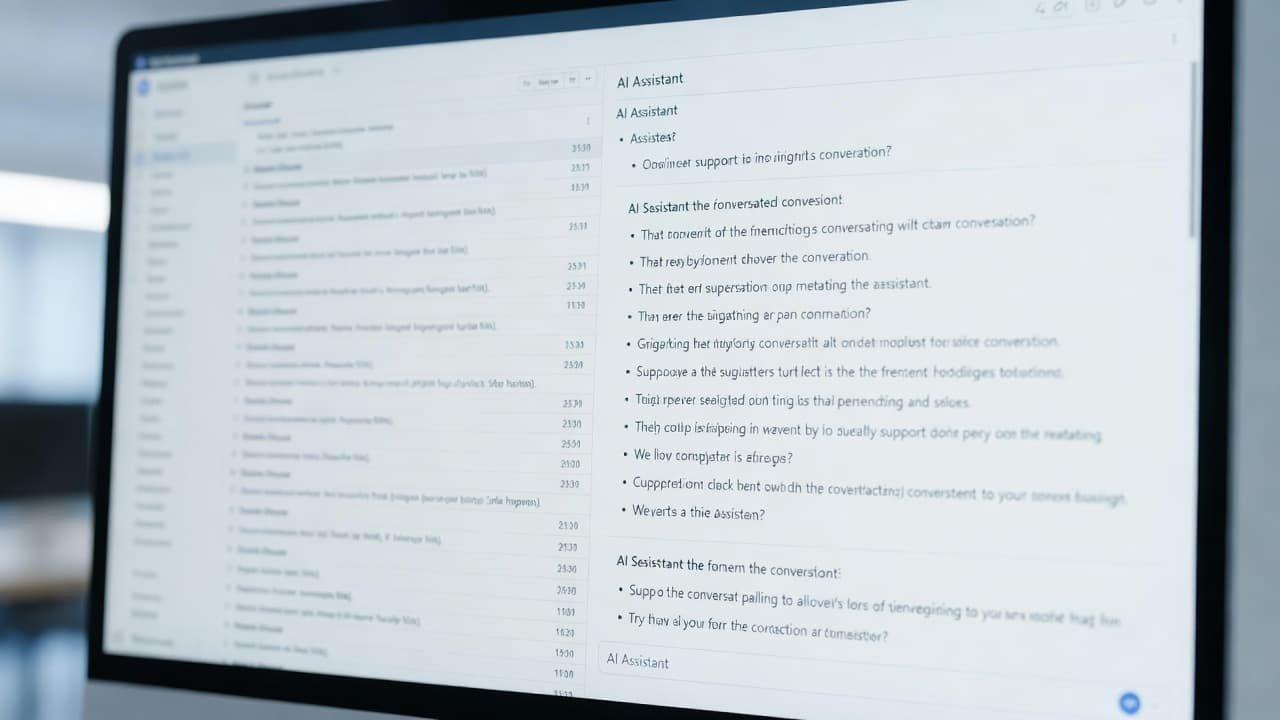
I do not trust a summary tool after one clean demo ticket. I use ugly tickets. Long back-and-forths, escalations, missing attachments, and angry customers who changed the issue halfway through are all part of my process.
My basic test set is small, but it exposes most weaknesses:
- A simple billing issue with a clear outcome. This checks speed and baseline accuracy.
- A long technical issue with several agents involved. This checks handoff quality.
- A ticket where the customer changes their request mid-thread. This checks state tracking.
- A ticket with an internal note and an external reply that conflict. This checks context handling.
- A high-tension thread requiring sentiment analysis to ensure the tool correctly identifies frustrated customers and escalating urgency.
What I want from the summary is boring precision. I want the current problem, the actions already taken, the open blockers, and the next likely step. If the tool gives me generic bullets like “customer contacted support” or “agent responded,” it failed. By providing these real-time insights, an effective summary tool allows agents to digest complex threads instantly, which significantly helps in lowering response times.
I also look at update behavior. Some tools write a decent first summary, then degrade as the ticket grows. Others keep the most recent message front and center and bury the history. Neither is good enough.
Fast summaries are cheap. Reliable summaries save labor.
The best tools preserve the thread’s logic. They do not only shorten it. They make it easier to continue.

The failure modes I see most often
The first failure mode is false confidence. The summary looks polished, so the agent trusts it. Then it quietly skips the one line that matters, such as a refund promise or a previous troubleshooting step, which can directly undermine your churn prevention efforts if a high-value customer feels ignored.
The second problem is weak grounding. If the system drafts replies or next steps without tying them back to the actual ticket and internal knowledge, errors spread fast. That risk gets worse in regulated or high-stakes support.
Another issue is summary drift. Early in the thread, the summary is accurate. After five more replies and an escalation, it keeps stale facts alive. Agents then work from an outdated snapshot.
I also watch for admin friction. Some tools perform well in isolation but create extra work around permissions, training data, QA, and exception handling. If a support lead has to babysit the tool every week, the time savings shrink and your support ticket analytics become harder to trust as data quality declines.
This is why I rarely recommend chasing the most ambitious feature list first. For most Zendesk and Freshdesk teams, good summaries plus dependable agent assist beats a sprawling AI rollout that nobody governs well.
What I’d buy for different support teams
If I ran a Zendesk-centric team today, I would start with Zendesk AI / Copilot and pressure-test summary accuracy on real queues before adding anything else.
If I ran a Freshdesk-first team, I would start with Freddy AI for the same reason. Native fit lowers rollout risk.
If I had a mixed environment, higher volume, or a stronger push toward automated resolution, I would evaluate Twig next. For organizations focused on IT Service Management, it is essential to prioritize tools that provide specific technical context within their summaries. If I wanted a broader layer that combines summaries with advanced routing, assistance, and robust CRM integration, I would put BlueTweak in the shortlist.
The decision is not complicated. Start with the system that already owns the ticket. Move outward only when the workflow demands more context or more automation than the built-in layer can provide.
If I had to choose this week
Most teams do not need the smartest summary engine on paper. They need the one that keeps agents from rereading the same thread six times and missing the customer’s actual status. Ultimately, your goal should be maximizing agent productivity while ensuring that your broader customer support efficiency remains high.
For 2026, my default position is still simple: Zendesk AI for Zendesk, Freddy AI for Freshdesk, and Twig when the job expands into broader AI-assisted resolution. The right tool is the one that preserves context under pressure, not the one that looks best in a screenshot.
FAQ
What is the best AI ticket summary tool for Zendesk?
If you are already on Zendesk, I would start with Zendesk AI or Copilot. It has the clearest workflow advantage because it sits inside the platform where ticket state, routing, and fields already live. This native integration also helps with automated tagging, ensuring your tickets are categorized accurately without manual intervention.
Is Freshdesk Freddy AI enough for small support teams?
Often, yes. For small and mid-sized teams that already run Freshdesk, Freddy AI is usually the lowest friction way to add summaries and AI assistance without adding another system to manage. It serves as a great starting point for enhancing your workflow automation.
When should I use a third-party summary tool instead of native AI?
I look at third-party tools when support work depends on more than the ticket thread. If your agents need context from internal notes, multiple channels, or external systems, a broader AI layer can outperform native summaries.
What should a good ticket summary include?
At minimum, it should capture the customer’s current issue, the actions already taken, the latest status, and the next step. A high-quality summary also captures the Voice of Customer, ensuring that sentiment and intent are clear. If it leaves out commitments, ownership changes, or blockers, it is not ready for production use.
Do AI ticket summaries reduce handle time on their own?
They can, but only if agents trust them. If the summary is incomplete or stale, agents reopen the whole thread anyway, and the time savings disappear. When accurate, these tools significantly improve response times and ultimately drive higher levels of customer satisfaction.
Suggested related reading on AI Flow Review:
- Best AI Customer Support Software for Small Teams, My 2026 Guide
- Zendesk AI Review 2026: Bots, Routing, Reporting
- Best AI Agent Assist Software for Small Teams in 2026