For small businesses, a missed call rarely looks expensive in the moment. Later, it turns into a lost booking, an unclaimed lead, or a customer who called the next shop instead. No one wants the fallout from those missed calls.
That’s why I treat ai phone answering software like an operations tool, not a novelty. Think of ai answering services for small businesses handling high call volumes, or an ai receptionist as the modern solution that prevents missing leads. In 2026, the good systems answer routine calls, book simple appointments, capture leads, and route edge cases without tying up staff. The wrong system does the opposite, it sounds awkward, logs bad data, and creates cleanup work. This is the filter I use before I buy or test anything.
What good AI phone answering software should actually do
I don’t buy these ai answering services for chatter that sounds human. I buy them for repeatable phone tasks with 24/7 availability, acting as an ai receptionist. In practice, the best setup is narrow and boring, and that’s a compliment.

- Answer and route: Pick up fast, use natural language processing to identify intent, then send the caller to the right place.
- Book or capture: Handle appointment scheduling, message taking, or log a lead with clean fields.
- Hand off cleanly: Transfer to human fallback when the caller is upset, confused, or off-script.
- Write back to systems: Push call outcomes into the CRM with crm integration, calendar, or help desk.
If a vendor says it can “handle anything,” I slow down. Small businesses usually get better results from focused flows. My notes on AI voice agents for small businesses follow the same rule, one primary job per call beats broad improvisation.
How I compare vendors before I run a trial
Voice quality matters, but it isn’t my first test. I start with control. Can I shape the script, review transcripts, cap spend, and set handoff rules? If not, a polished demo won’t help me.
This is the quick scorecard I use:
| Area | Good sign | Red flag | Why I care |
|---|---|---|---|
| Voice flow | Fast turn-taking, human-like voices, callers can interrupt | Talks over people | Trust drops fast |
| Workflow fit | CRM, calendar, and SMS sync | CSV exports only | Double entry kills ROI |
| Pricing | Clear caps or simple tiers | Hidden metering | Bills get noisy fast |
| Governance | Call summaries, logs, transfer rules | No audit trail | Hard to debug and review |
I also test ugly calls, not happy-path demos. I want to hear what happens when someone mumbles a callback number, interrupts twice, changes their mind, or asks for a human right away. Those calls expose failure modes fast.
The 2026 pricing pattern is fairly clear. Public starter plans often sit around $29 to $65 per month, while hybrid services, unlimited call tiers, and per-minute pricing cost more (watch out for hidden per-minute pricing). I also see faster setup, better natural voices in AI receptionists and virtual receptionists, and more bundled SMS support than last year. For a current vendor-side snapshot of how providers package these phone systems, Nextiva’s 2026 AI phone overview is useful context.
Where small businesses get payback first
I see the fastest wins for small businesses in: after-hours answering for 24/7 availability, appointment scheduling, lead capture, lead qualification, and overflow during busy periods. A dental office, law firm, HVAC shop, or local retailer all benefit for the same reason. AI answering services improve customer experience by reducing wait times, while staff stay with the person in front of them as the virtual receptionist covers the phone.
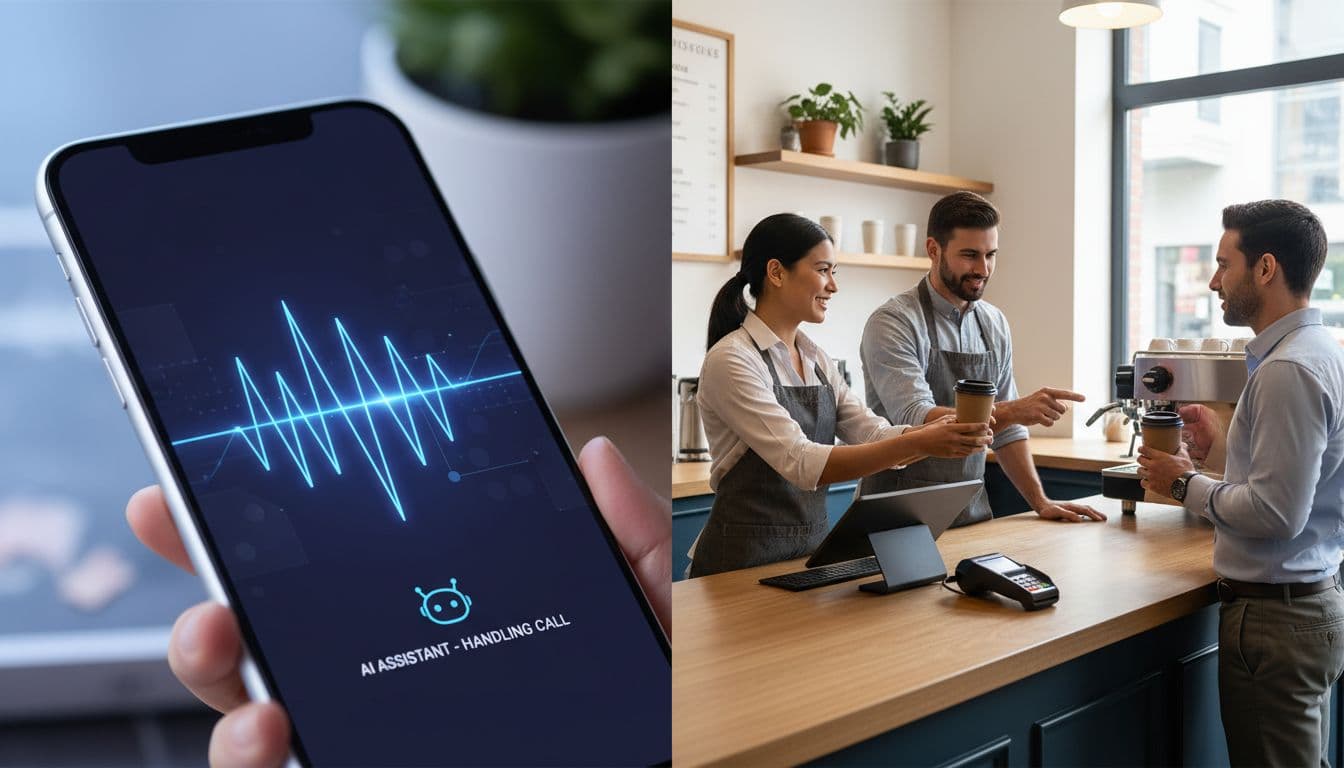
The sweet spot is simple. Let the AI collect names, numbers, timing, intent, and urgency. Then let humans handle billing, cancellations, and emotional calls. When phone, chat, and email start touching the same cases, I stop thinking in channels and start thinking in queues. My guide to AI-powered support workflows 2026 covers that next step.
The rollout mistakes that cost money
The biggest buying mistake I see is scope creep. Teams try to replace the live agents on day one with an automated phone system. I start with one call type, one script, and one definition of success. For example, “book a service estimate” is clear. “Handle all customer questions” is not.
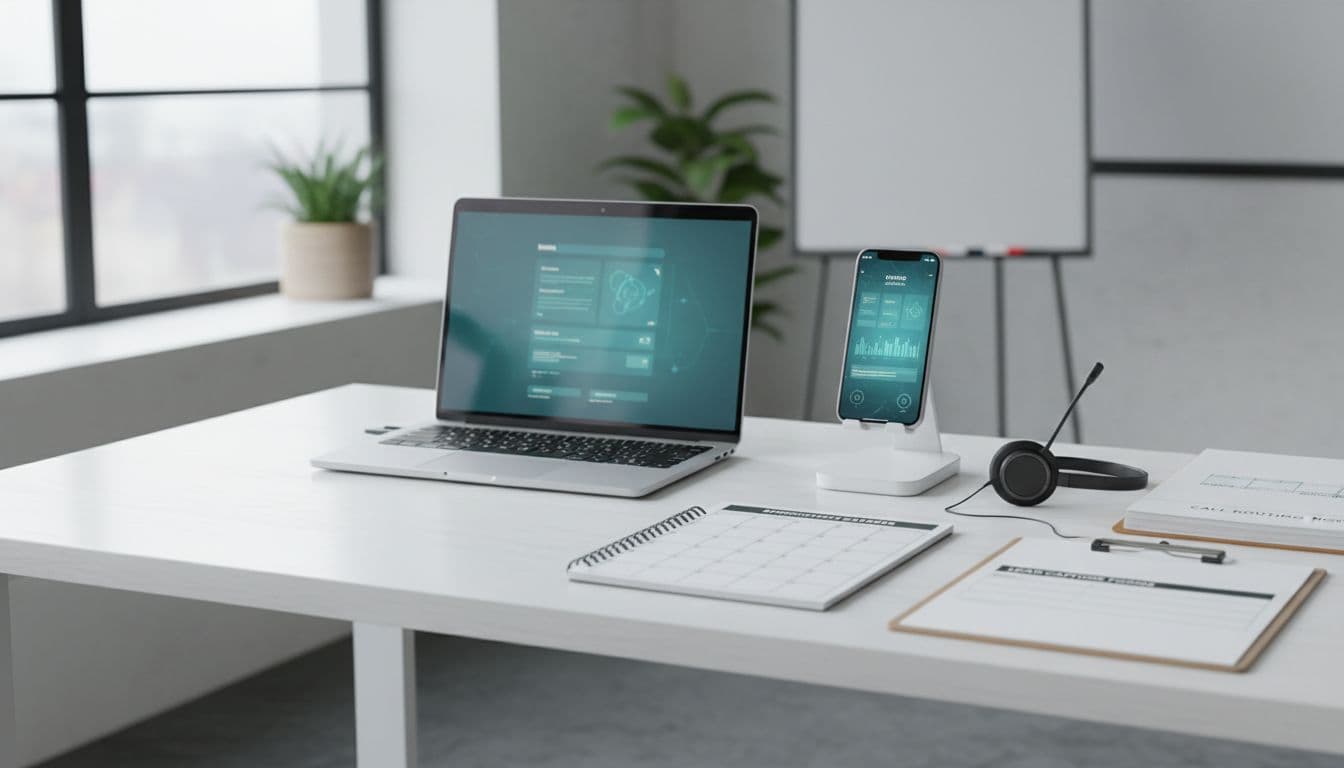
If I can’t audit why the agent booked, routed, or ended a call, I don’t put it live.
I also wire the phone agent into business tools that stop drop-offs. That usually means a calendar, CRM, and a follow-up step by text or email. For that plumbing layer, I prefer boring workflow automation with logs and retries. My Make.com AI automation review shows the guardrails I want before a voice agent can touch customer data, and Zapier integration works well too.
US buyers also need to check recording and consent rules, because state laws vary. For small businesses in medical or legal fields, HIPAA compliant settings are essential. If the tool stores transcripts, I want retention settings, role-based access, and clear notice controls. Bilingual support and multi-language support are key considerations too. Voice cloning is more common now, but I still treat it as optional. A natural, honest voice beats a fake version of mine.
FAQ about AI phone answering software
Is AI phone answering software worth it for a very small business?
Yes, AI phone answering software is worth it for small businesses if missed calls already cost you leads or bookings. The value comes from coverage and cleaner intake, not from removing every human touch.
What pricing model do I trust most?
I prefer plans with clear usage caps or simple tiers. Per-minute billing can work, but only when dashboards make spend easy to track.
Can it replace a receptionist?
Partly. An AI receptionist can replace live agents for routine tasks, serving as a virtual receptionist that handles appointment scheduling, after-hours coverage, and lead capture. I still keep a human path for billing, complaints, and complex requests.
What’s the most common setup mistake?
Giving the system too much freedom too early. I get better results when the agent has one narrow job and a fast handoff rule.
The buying stance I’d use this year
I wouldn’t buy ai phone answering software from voice demos alone. I’d pilot one narrow workflow for two weeks, review every transcript, and expand only when the logs look boring. That’s the real goal in 2026, reliable call handling that stops revenue from leaking out the front door.
Conversational ai powers ai phone answering software and ai answering services to make these logs boring and reliable. Integrating them into your phone system provides 24/7 availability, ensuring small businesses never lose revenue.