
Most small-business sites using an AI website builder don’t miss rankings because the design looks weak. They miss because the platform runs out of SEO headroom after launch.
That’s how I frame 10Web vs Wix AI. I don’t care much which one makes a prettier draft in 10 minutes. I care about what happens when you need better metadata, cleaner architecture, faster pages, and room to grow content.
If you’re choosing for US small businesses, the right call is less about artificial intelligence magic and more about control after launch.
Key Takeaways
- 10Web wins for long-term SEO: WordPress foundation gives higher ceiling for metadata, plugins, content growth, and scalability—perfect for small businesses planning multi-page expansion.
- Wix AI shines on simplicity: Easier maintenance, guided AI build, and low overhead make it ideal for basic sites that non-technical owners can manage without friction.
- Core trade-off: 10Web starts cheaper (
$10/mo) with more ownership but requires upkeep; Wix ($17/mo) prioritizes fast launch over advanced tweaks. - Pick by priority: Go 10Web for growth-focused SEO acquisition; Wix for quick, simple web presence where low maintenance trumps headroom.
What I check before I pick a site builder
For small-business SEO, I look at three things first before picking a no-code site builder.
- Can I control page structure, metadata, redirects, and internal links without friction in an AI website builder?
- Can the site maintain its speed and scalability as I add pages to build a multi-page website, forms, images, and integrations?
- Can I expand later, without rebuilding the whole thing?
Those checks matter more than the onboarding experience. A platform can feel easy on day one and still create work six months later.
When I want a broader view beyond this head-to-head, I use my roundup of AI website builders for small businesses. The pattern is consistent: the best AI website builder depends on whether you need convenience now or flexibility later.
10Web vs Wix AI at a glance
Here’s the short version of these AI website builders before I get into trade-offs.
| Area | 10Web | Wix AI | My read |
|---|---|---|---|
| Starting price | About $10/month | About $17/month | 10Web is cheaper to enter |
| Build model | AI-generated WordPress site | AI-guided website generation via Wix ADI | 10Web gives more ownership |
| SEO flexibility | High, with WordPress plugins and deeper control | Good for basics, lighter ceiling | 10Web wins for long-term SEO |
| Maintenance | More moving parts | Lower day-to-day overhead | Wix is easier for non-technical owners |
| Customization flexibility | High, full access to code and plugins | Solid within Wix ecosystem | 10Web leads for advanced tweaks |
| Best fit | Growth-focused site | Fast launch for simple business sites | Different priorities, different winner |
10Web’s public comparison with Wix points at the same core split, convenience versus ownership. I agree with the split, even if I wouldn’t take vendor copy at face value.
For SEO, I don’t ask which AI website builder starts faster. I ask which one lets me fix the next problem.
Where 10Web has the stronger SEO ceiling
10Web has the better long-term SEO case because it sits on WordPress with managed WordPress hosting powered by Google Cloud hosting. That changes the whole decision. The AI-powered website creation process uses artificial intelligence to generate your site quickly with Elementor integration, yet you’re not locked into a closed site builder with limited extension options. Agencies love the white-labeling capabilities, and migration is seamless if you switch later. You can add the plugins, schema tools, ecommerce features, and content structure your business needs later.
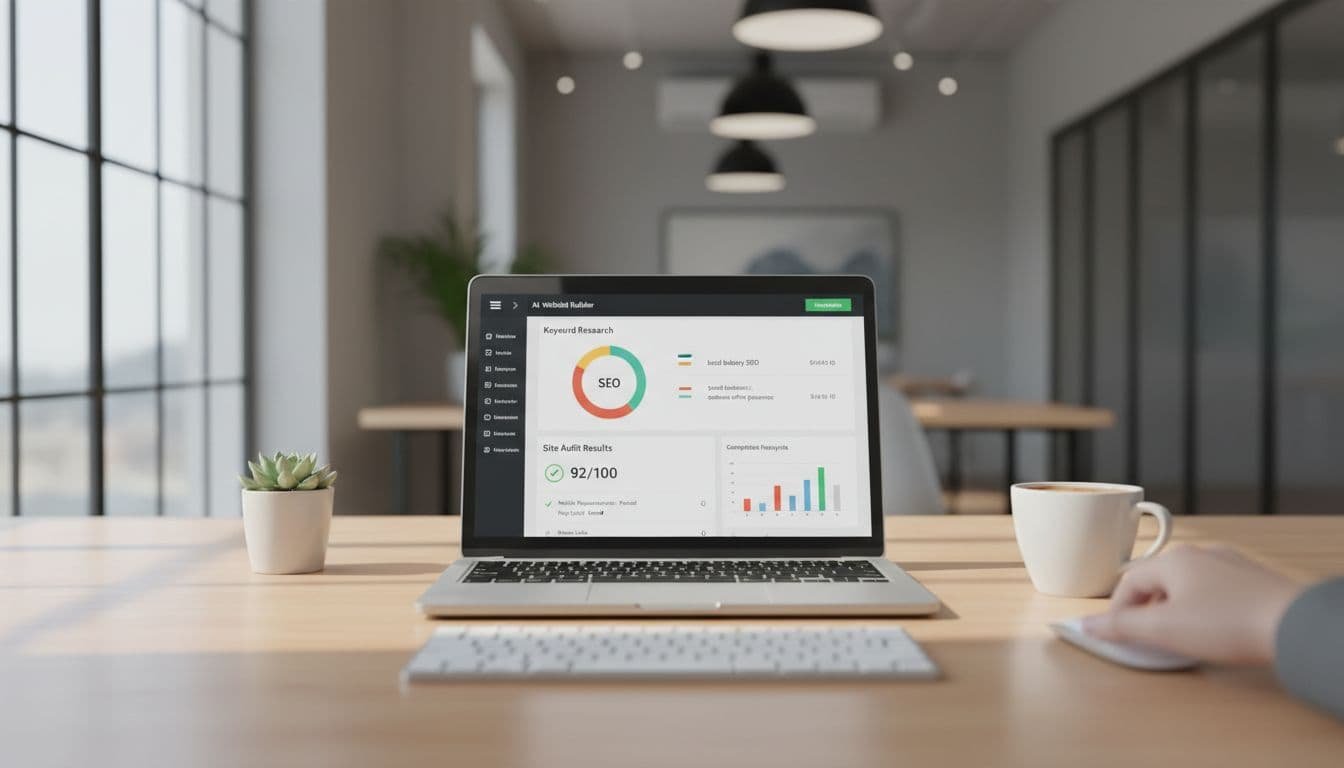
In practice, that matters most for businesses that plan to publish more than a handful of pages. Think service businesses adding city pages, clinics building location content, or stores expanding product categories. Wix can handle basic growth. 10Web gives me a higher ceiling when the site architecture starts to matter, especially with its AI-powered tools.
It also starts cheaper, based on current public pricing data. That doesn’t make it automatically better, but it does help if you’re trying to keep software spend under control early.
The trade-off is upkeep. With 10Web, even with managed hosting and automation, I still treat it like a WordPress site. Updates, plugin choices, and edge cases still exist. After launch, I usually run one of these AI SEO audit tools 2026 because AI-built pages often miss the boring technical issues that slow rankings later.
Where Wix AI is easier, and why that still matters
Wix wins on simplicity with its user-friendly interface. If I need a polished, mobile-friendly site live fast, with less maintenance risk, Wix is easier to hand off to a busy owner or a small team with no WordPress experience.
Its AI website builder setup, powered by Wix Harmony and artificial intelligence, is more guided. The drag-and-drop editor is easier to understand, and it delivers impressive design quality. Built-in business tools are also tighter for beginners. For a local service business that needs a homepage, service pages, booking, and contact flow, along with integrated business tools, that’s often enough.
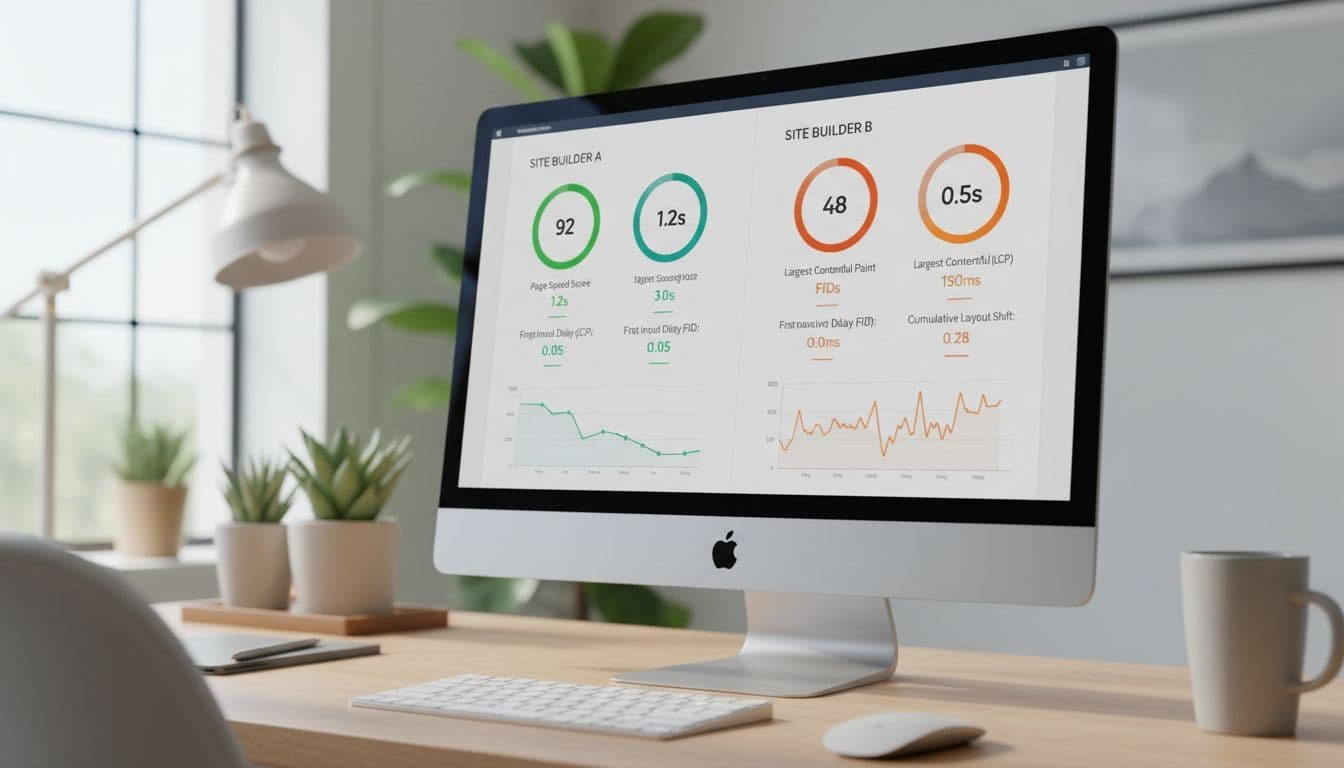
I also think Wix’s proprietary system is easier for owners who won’t touch advanced SEO settings anyway. If the actual plan is “publish eight pages and keep the Google Business Profile active,” the platform ceiling may never matter.
The limit shows up when the site becomes more content-heavy, more custom, or more dependent on precise technical control. That’s where Wix starts to feel like an apartment you can decorate, but not remodel.
If lead capture matters as much as rankings, pair the AI website builder site with one of these AI website chatbots for small business leads. On smaller sites, conversion friction often hurts more than a missing technical tweak.
Which one I’d choose in real small-business cases
Pick the 10Web AI website builder when growth is part of the plan
I choose 10Web when SEO optimization is a real acquisition channel, not a side project. That includes content expansion, multi-location pages, ecommerce growth, white-label reseller options for agencies, or any case where plugin flexibility will save time later.
Pick the Wix AI website builder when the site needs to stay simple
I choose Wix when the business needs speed, low maintenance, and a clean setup that non-technical staff can manage, thanks to its vibe coding approach. For a restaurant, salon, or solo consultant with a compact site, that trade-off is reasonable.

If I had to reduce the whole comparison to one line, it would be this: Wix is easier to live with now, 10Web is easier to outgrow later.
The choice I’d make
For most small businesses that care about long-term search growth, I’d pick 10Web over Wix AI website builder.
I wouldn’t pick it because the artificial intelligence is smarter; I’d pick it because WordPress access gives me more room to fix, expand, and improve the site after the first draft goes live.
If the business wants a simple web presence and low maintenance beats SEO headroom, Wix AI website builder is still a sensible, AI-powered call.
FAQ
Is 10Web better than Wix AI for SEO?
In most growth-focused cases, yes. I give 10Web the edge because, as an AI website builder, it provides WordPress-level control, plugin access, customization flexibility, and more room to scale content.
Is Wix good enough for a small business website?
Yes, if the site is small and the owner wants simplicity through its no-code interface. For many local businesses, Wix as an AI website builder powered by artificial intelligence for quick website generation covers the basics well.
Which is cheaper in 2026?
Based on current public pricing, 10Web starts lower, around $10 per month, while Wix starts around $17 per month on paid plans.