A polished voice can lift a weak video fast. Still, the wrong tool can waste more time than it saves.
When I buy AI text to speech for a small business, I don’t start with the voice demo. I start with the job the voice needs to do, how often I’ll revise it, and whether I can use it safely in paid content. That matters more in 2026, because the gap between “sounds good” and “works well in production” is still wide.
What I check before I pay for an AI voice tool
I judge AI text to speech like I’d judge a freelance narrator. A nice sample isn’t enough. I need consistency, control, and clear rights.
Here are the four checks I use first:
- Commercial rights: If I’m using the voice in ads, product videos, or client work, I verify the license. This is where many buyers slip. Even commercial-use licensing matters more than voice quality if legal use is unclear.
- Pronunciation control: Brand names, local city names, and industry terms break weak tools fast.
- Edit speed: Small teams revise scripts often. I want quick re-takes, not a slow export loop.
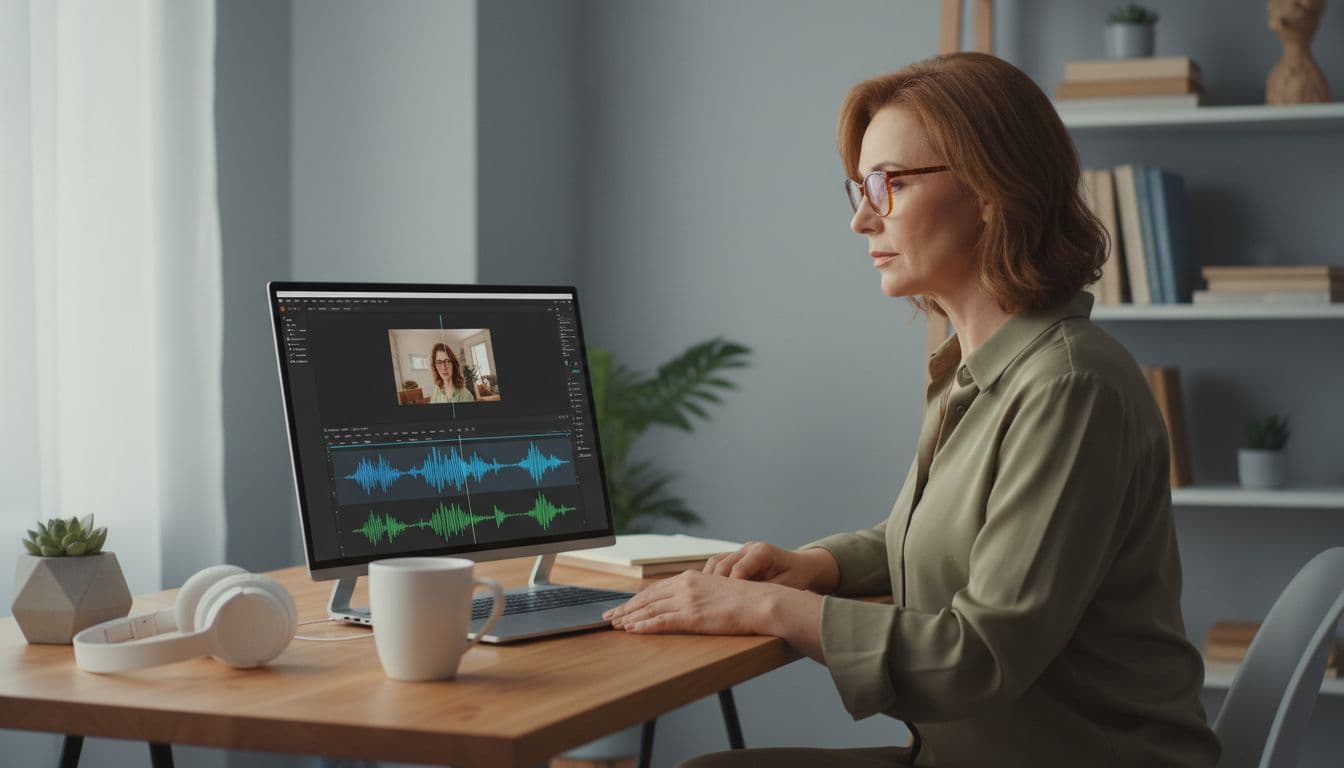
- Workflow fit: If I already edit in CapCut, Premiere Pro, or a browser-based video tool, the TTS app should fit that flow.
In practice, editing speed is the hidden cost. A tool with 300 voices doesn’t help if I need ten minutes to fix one line. That’s why my hands-on Murf AI TTS test focused more on control and output quality than on raw voice count.
Best AI text to speech tools for small business videos in 2026
From what I’ve tracked this year, five tools keep showing up for small business video work: Murf AI, Lovo AI, ElevenLabs, Magic Hour, and WellSaid Labs. Each fits a different production style.
This quick table shows how I’d separate them.
| Tool | Best fit | Strong point | Watch-out | | | | | | | Murf AI | Explainers, tutorials, product demos | Fast editing, solid business voices | Less useful if you want deep character acting | | Lovo AI | Short ads, social clips | Good speed for short-form content | I’d test consistency on longer scripts | | ElevenLabs | Premium voiceovers, YouTube, podcasts | Strong realism and emotion control | Easy to overpay if you only need basic reads | | Magic Hour | Fast social video production | Good for quick iteration and short branded clips | Better for volume than detailed narration work | | WellSaid Labs | Brand-safe business narration | Reliable, polished delivery | Often a quality-first buy, not a budget-first buy |
My short version is simple. If I need reliable marketing narration, I start with Murf. If voice realism is the top priority, I test ElevenLabs early. If I care most about short social output, Magic Hour or Lovo can make more sense.
If I also want an on-screen presenter, not only a voice track, I look at tools with built-in video output. My Synthesia text-to-speech review covers that angle well, because avatar video changes the buying decision.
The trade-offs that change the real cost
Most small teams don’t overspend on the base plan. They overspend on the wrong feature set.
Voice cloning sounds useful, but many businesses don’t need it. API access sounds smart, but it’s wasted if nobody automates anything. On the other hand, pronunciation editing and bulk scene changes save time every week.
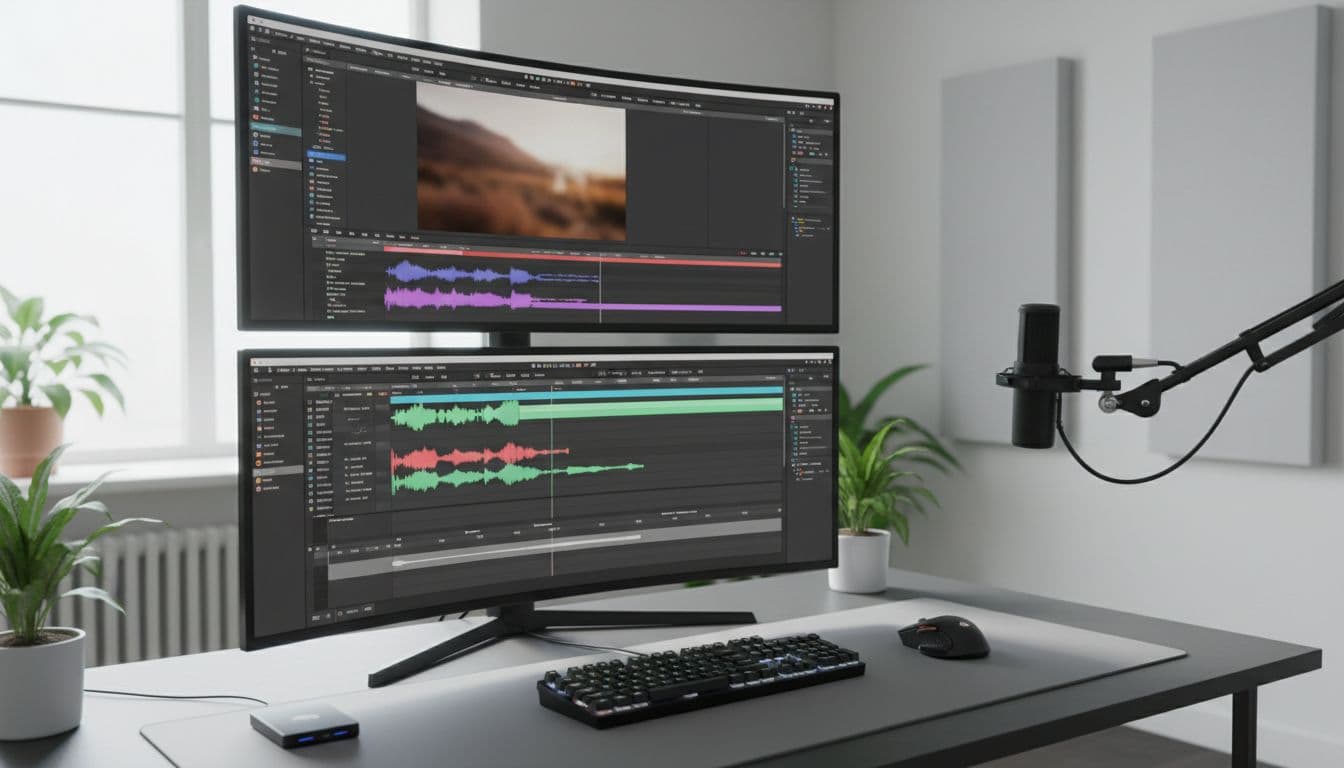
I don’t buy the tool with the biggest voice library. I buy the one that cuts revision time.
I also check how pricing scales with output. Some tools look cheap until I add multiple users, long scripts, or multilingual versions. For lean teams, an all-in-one platform can be the better value. My 1min.ai text-to-speech review is relevant here, because bundled audio and video features can reduce subscription sprawl.
Another trade-off is tone. AI text to speech still struggles when a video needs tension, humor, or a founder’s personal story. For routine product demos, it’s great. For emotionally heavy brand pieces, I still prefer a human voice.
How I match AI text to speech to the video type
I don’t use one tool for every video. I map the tool to the workload.
- Social ads and short promos: I favor speed. Lovo or Magic Hour fit this best.
- Product demos and explainers: Murf is usually my first pass because editing control matters.
- Training and onboarding: WellSaid or Murf work well when clarity matters more than personality.
- YouTube voiceovers and longer narration: ElevenLabs is strong when realism carries the piece.
That said, I keep a stop rule. If the voice draws attention to itself, I replace it. Good narration should feel like clear glass, not stained glass.
FAQ about AI text to speech for small business videos
Is AI text to speech good enough for paid ads?
Yes, often it is. I still review pronunciation, pacing, and licensing before I publish.
What’s the best option for beginners?
Murf is a safe starting point for many teams because the editing flow is easy to grasp.
Should I replace human voice actors completely?
No. I use AI for repeatable, high-volume work. I use humans when emotion, trust, or brand personality carries the message.
Where I’d put my money in 2026
If I had a small-business budget and needed results fast, I’d start with one narrow use case, usually product demos or social ads. Then I’d test two tools side by side with the same script, because the right buy shows up in revision speed, not in marketing copy.
The best AI text to speech tool is the one that sounds good after the third edit, fits the budget after month three, and doesn’t create licensing headaches. Start small, keep the workflow simple, and let the production process make the choice.