
Can I actually earn money with MusicGPT, or is it just another fun toy that spits out random beats?
My honest take is simple: MusicGPT can speed up audio production a lot, but income still comes from the boring parts, distribution, quality control, and following platform rules. If you treat it like a “push button, get paid” machine, you’ll likely end up with a folder full of unused MP3s.
MusicGPT (as of February 2026) is basically a prompt-to-audio toolkit: text-to-music, sound effects, text-to-speech with a big voice library (and voice cloning), plus the ability to upload audio and describe edits (remix, extend, replace). It also has a mobile app, a developer API, and an explore/stream library style workflow. I’m going to break down realistic income paths, compare MusicGPT to royalty-free libraries and hiring musicians, and show exactly how I’d start in 7 days.
One more thing upfront: I’m not chasing “mass uploads.” I’m chasing usefulness. Short intros, background beds, clean loops, SFX packs, and custom cues people can actually drop into a project.
Where the money comes from (and where it does not)
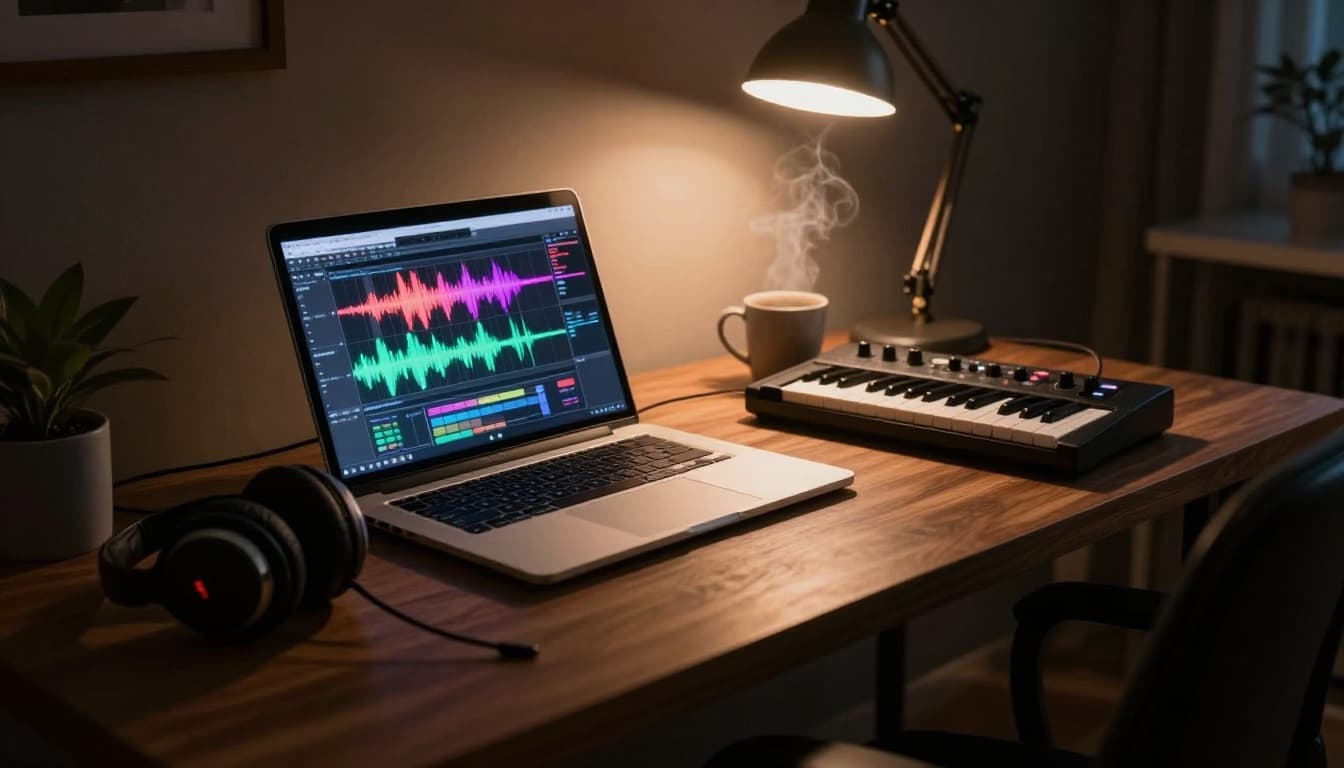
When I look at monetizing MusicGPT, I bucket it into three clear models.
First, selling audio. That includes stock tracks, loops, sample packs, SFX packs, and custom commissions delivered as files. It’s the most direct path, but it’s also the most competitive, because marketplaces are full of “fine” music.
Second, using audio to earn. The music itself may not be the product, it’s the ingredient that makes a channel, course, app, or brand feel complete. In that model, the money comes from ads, sponsors, affiliate deals, product sales, client retainers, or app revenue. The audio just helps you ship more content and keep it watchable.
Third, licensing. This can be a track-by-track license (a one-time fee), a subscription access model (your own micro-library), or usage-based licensing for games, podcasts, or agencies. Licensing sounds fancy, but it’s just “pay to use this audio under a defined agreement.”
Here’s the part many people skip: MusicGPT is not a cash machine, it’s a production engine. Commercial use usually ties to paid access, credits, or a paid plan, and terms can change. I always read the current license language before I sell or upload anything, starting with the official MusicGPT terms of service. If I’m using the API or building a workflow around credits, I also keep an eye on MusicGPT API pricing plans.
And yes, platforms are pushing back on low-effort flooding. Spotify has openly cleaned house, with reports about large-scale removals tied to AI spam, which is exactly why quality and differentiation matter more than volume. This write-up on the crackdown is a useful reality check: Spotify deleting millions of tracks.
Realistic income paths I can try with MusicGPT this month
If I wanted to earn with MusicGPT right now, I’d focus on paths with short feedback loops.
I can run a YouTube background music channel (lo-fi, ambient, study, sleep), but I’d treat it like a content business, not a “dump tracks” project. I can also sell podcast intros and outros, because creators want something that feels branded but doesn’t trigger rights headaches. Stock music and SFX listings can work too (AudioJungle and Pond5 are common starting points), though catalog building takes time.
The best “fast cash” angle is often service work: custom cues for indie games, background beds for agencies, transition stingers for editors, or SFX packs for YouTubers. Early gigs can start around $25 to $75 per short cue, then climb as you stack reviews and repeat clients. It’s rarely instant, but it compounds when your catalog grows and people can hear you have a consistent sound.
If you want a wider look at what competing tools offer, and where MusicGPT fits among them, I keep a reference list handy like this 2025 AI music and voice generator comparison. Even when I’m committed to one tool, knowing the market helps me price and position my work.
The hidden costs that can kill profits
The biggest profit killer isn’t the subscription, it’s time.
Prompting takes rounds. Revisions take rounds. Mixing and leveling take rounds. If I’m selling audio, I’m also doing “distribution work” people pretend doesn’t exist: thumbnails, metadata, upload forms, previews, tags, customer messages, and version updates. Those hours are real costs.
Then there’s platform friction. Even with a proper license, Content ID claims can happen, especially when lots of creators generate music that shares similar patterns. So I keep receipts: plan level, generation dates, exported stems, and project files. If a claim hits a client project, I can respond quickly with documentation.
If I’m publishing to streaming, I also remind myself that streaming income is math, not magic. Spotify’s own explainer on how money flows is worth reading once, end to end: how Spotify royalties work.
MusicGPT vs royalty-free libraries, which one helps me earn faster?
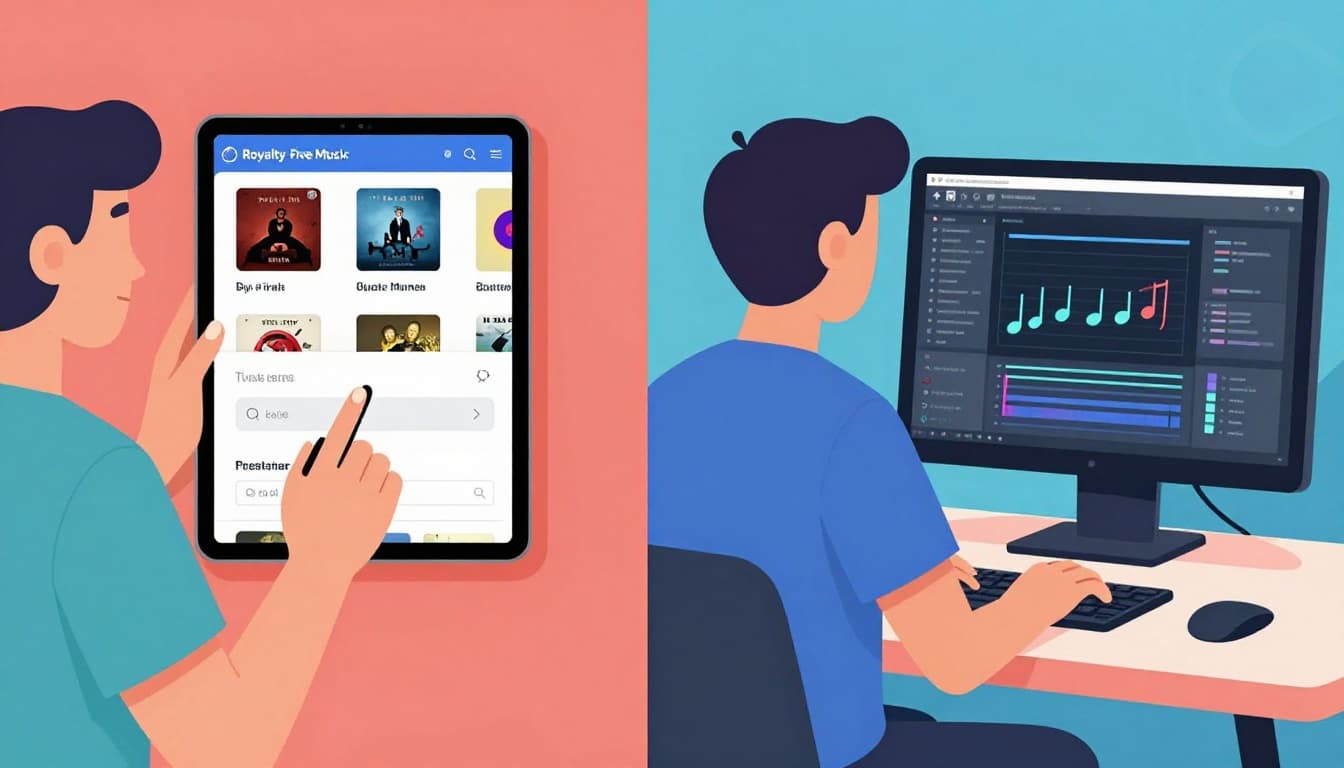
When I compare MusicGPT to royalty-free music libraries, I’m really comparing custom creation versus curated selection.
MusicGPT shines when I need speed plus control. As of early 2026, it runs on V6 and V6 Pro style models, supports generating songs and sound effects, offers text-to-speech with a very large voice library (plus voice cloning), and can edit uploaded audio. Paid plans also support commercial usage and better exports, and the credits model matters because it affects my unit economics (roughly speaking, a full song can cost hundreds of credits). If I’m generating at volume, I want to know exactly what I’m spending per usable asset.
Royalty-free libraries (think Epidemic Sound or Artlist) can be faster when I just need something that “works” right now. I pay, I download, I’m covered under their license for my channel or client. It’s predictable. That predictability has value when deadlines are tight.
Pricing changes over time, so I check current numbers before committing. For example, Epidemic Sound publishes plan info here: Epidemic Sound subscriptions. In many cases, these services land around the low teens per month for a creator plan, with commercial tiers costing more, and free tiers often limiting use to personal projects.
When a royalty-free library is the smarter business choice
If I’m doing client work where “no surprises” matters more than uniqueness, a library is often my safest move. I can grab a consistent, professionally mixed track quickly, and I’m less likely to get stuck in endless revisions.
Libraries are also a good fit when the music is meant to disappear into the background (corporate explainer beds, simple lifestyle vlogs, basic podcast underscoring). In those cases, custom generation can become a time sink, and time is the real budget.
If you want a creator-focused example of how a music tool positions itself around royalty-safe content workflows, I’d compare notes with something like my read on Soundraw’s creator licensing approach, because it sits closer to “customizable royalty-free” than “generate anything.”
When MusicGPT wins, because I can make exact-fit tracks on demand
MusicGPT wins for me when I need specificity: exact mood, approximate BPM, instrument palette, structure, and duration. It’s also strong when I need variations for A/B testing, like three different hooks for the first 5 seconds of a short.
The stem and editing angle is a big deal. If I can export stems (or generate variations that isolate the vibe I want), I can fit the music to the content instead of forcing the content to fit the music. That’s how you stop sounding like everyone else.
My prompt style stays plain: mood + genre + tempo + use case. Something like “warm lo-fi, 82 BPM, soft drums, muted chords, designed as a 20-second YouTube intro” gets me closer than poetic prompts ever did.
Using MusicGPT as a content multiplier, how I turn one idea into 20 assets
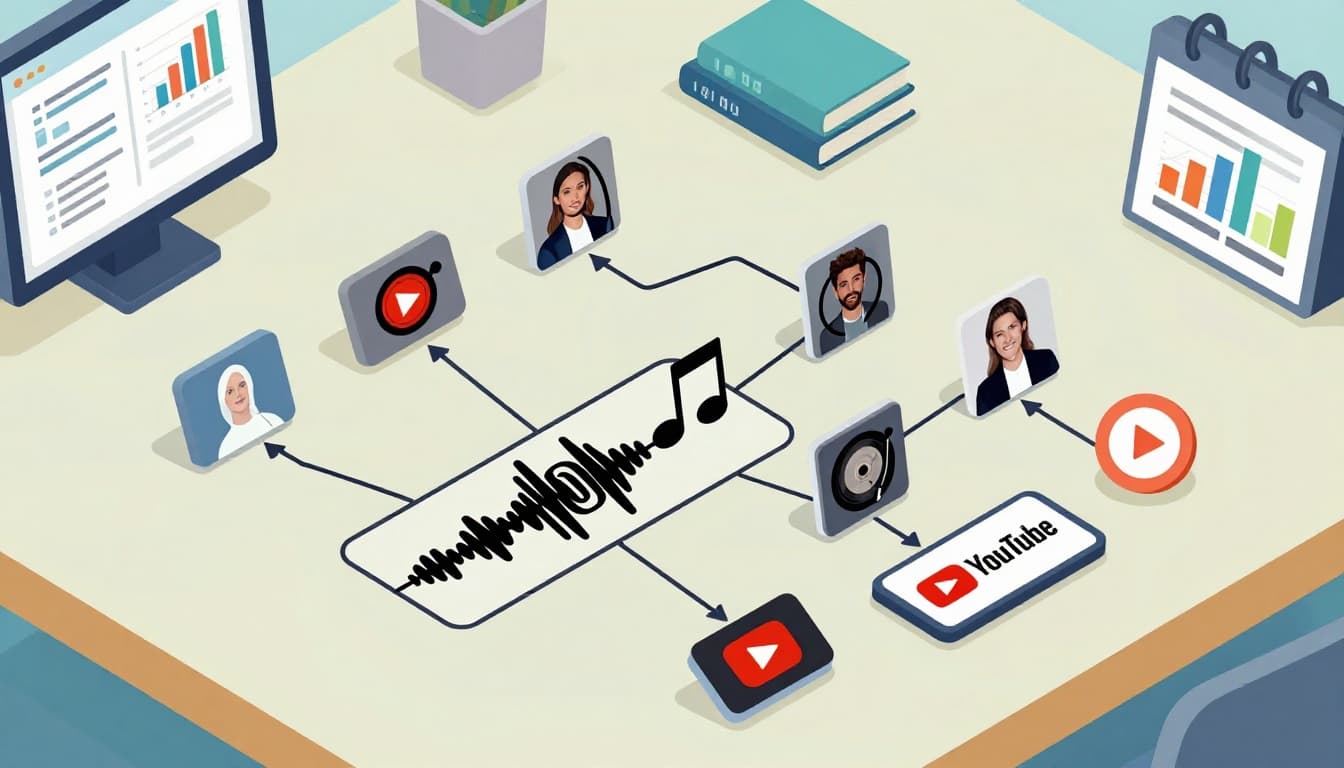
The most reliable way I’ve found to make AI audio pay is to stop thinking “one track,” and start thinking “one idea, many formats.”
One core theme can become: a full-length background track, a loopable 60-second version, three 15-second hooks for shorts, a clean podcast bed that ducks under speech, a punchy ad cut, and a handful of transition stingers. Same sound, different packaging.
This matters for distribution. A catalog doesn’t grow because I made 100 random songs. It grows because I made 10 consistent “sets” that people can recognize, search for, and reuse. Naming helps too. I keep titles boring and searchable (mood, tempo, use case), then I keep the brand name consistent across the set.
My repeatable workflow for YouTube, TikTok, podcasts, and ads
- Pick one niche mood: I choose a lane I can own (calm study lo-fi, cozy game ambience, tech explainer beds).
- Generate 3 variations: I change one variable at a time (tempo, drum density, chord color).
- Select the best hook: I judge the first 5 to 10 seconds, because that’s what creators feel.
- Export stems or versions: I create a long cut, a loop cut, and short hooks.
- Master to consistent loudness: Nothing fancy, just consistent playback level across the set.
- Package with titles and thumbnails: Searchable names, clean visuals, no clutter.
- Publish on a schedule: Consistency beats bursts.
Then I measure like a boring adult. I check performance after 1 to 2 weeks in analytics, and I refresh winners after 3 to 6 months (new keywords, new thumbnails, improved mix). That maintenance step is unglamorous, but it’s where a catalog starts to behave like an asset.
How I avoid the AI spam trap and still scale output
My filter is harsh: if I wouldn’t personally use it in a client edit, it doesn’t ship.
I also avoid platforms and strategies that reward pure volume. Streaming services have been deleting low-quality floods, and I don’t want my “brand” to be a number in that cleanup report. So I publish fewer tracks, but with better structure, cleaner mixing, and clear purpose.
I also try to build a recognizable sonic signature. Same drum kit vibe, similar chord color, consistent reverb space, consistent endings. It’s a simple trick that makes a catalog feel intentional instead of random.
Faceless brands, hiring musicians, and the new AI-native music businesses
MusicGPT fits nicely into faceless brands because audio doesn’t require a personality to work. A calm lo-fi channel, a meditation loop brand, or a “study timer with music” app can stay anonymous and still feel legit, as long as the audio is consistent and the publishing is steady.
It also changes how I think about hiring humans. AI can generate in seconds, humans take days, and good humans cost real money. That doesn’t mean humans lose, it means I pick the right tool for the job.
When the track is the product (an artist release, a brand campaign, a signature theme), I’m more willing to pay for musicians, live instruments, and clear authorship. When the track supports content (YouTube beds, app ambience, prototype cues), AI is often enough, and it’s faster.
If you’re comparing “AI-first music publishing” models, it’s worth reading how other platforms frame monetization and distribution, even if you don’t use them. This Boomy hands-on review is a good contrast, because Boomy has long leaned into quick creation and streaming-oriented workflows.
Faceless brands: what I can sell without showing my face
I can sell background music packs, sound effect packs, and branded sound identities for small creators (short logo stings, intro cues, transition whooshes). I can also sell voiceover-heavy assets like guided meditations or bedtime stories, but only if I’m fully confident I have rights to every voice involved.
Voice cloning is where people get reckless. My rule is strict: I only clone voices I own or have written permission to use, and I keep documentation alongside the project. If you’re building voice and music workflows together, I’d also compare other voice-forward tools and their licensing norms, just to stay sharp. For example, this Suno hands-on review is useful context for how AI audio products talk about commercial use and practical limits.
MusicGPT vs hiring musicians: the honest tradeoffs for a business
Hiring musicians buys me artistry, nuance, and a human signature. It also buys me clearer authorship, which can reduce headaches when something gets big. The tradeoff is cost and speed.
MusicGPT buys me iteration, breadth, and fast turnaround. It’s great for testing ideas, generating variations, and supporting content at scale. But if I want a truly unique identity, especially with vocals, humans still win more often than people admit.
If you’re in the “cinematic score” lane, where emotion and dynamics matter a lot, it’s also worth comparing specialized tools and human workflows. I keep this AIVA review for cinematic music bookmarked for that reason.
Where I land, and my 7-day plan to prove it
Yes, MusicGPT can make me money, but only when I pair it with a distribution plan and a real offer (a catalog, gigs, content, or a product). The tool helps me produce more audio faster, and that can widen my shots on goal, but it doesn’t replace taste, packaging, and trust.
If I were starting from zero this week, I’d run a simple 7-day test: Day 1 pick a niche and basic branding, Day 2 generate 10 tracks, Day 3 pick the best 3 and polish, Day 4 publish one long video plus three shorts, Day 5 list one gig plus one pack, Day 6 reach out to 10 podcasters or creators, Day 7 review metrics and iterate. If you want extra safety tips for YouTube monetization and claims, this guide is a solid reference point: AI music for YouTube monetization.
My ask is simple: try one path for 7 days, track what happens, and keep only what feels repeatable. That’s where real money starts showing up.