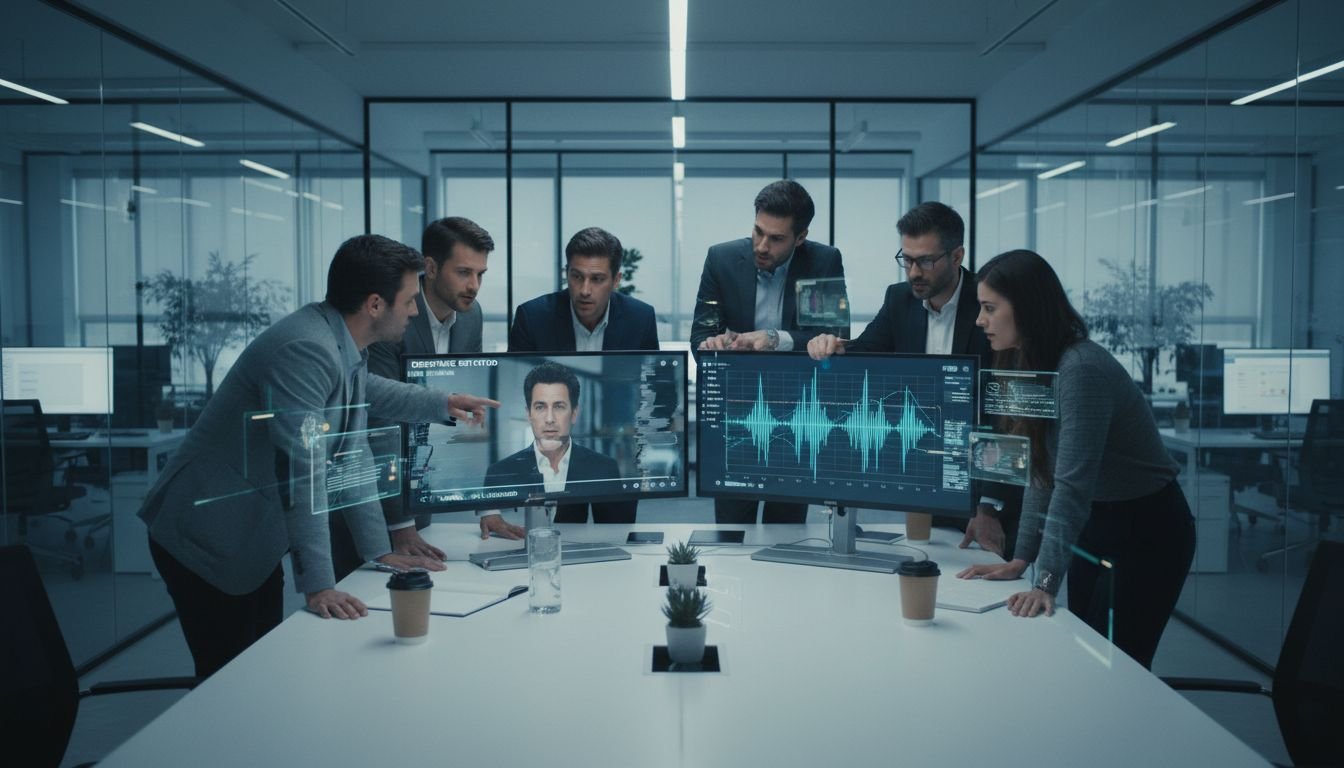
If your team ships video, audio, AI-generated content, or creator content at speed, you’re already in the blast zone. A believable deepfake doesn’t need to fool everyone, it only needs to spread fast enough to make your brand look careless.
In 2026, I treat deepfake detection tools like I treat spellcheck. Not because they’re perfect, but because skipping them jeopardizes your digital media authenticity.
Where deepfakes break marketing workflows in 2026
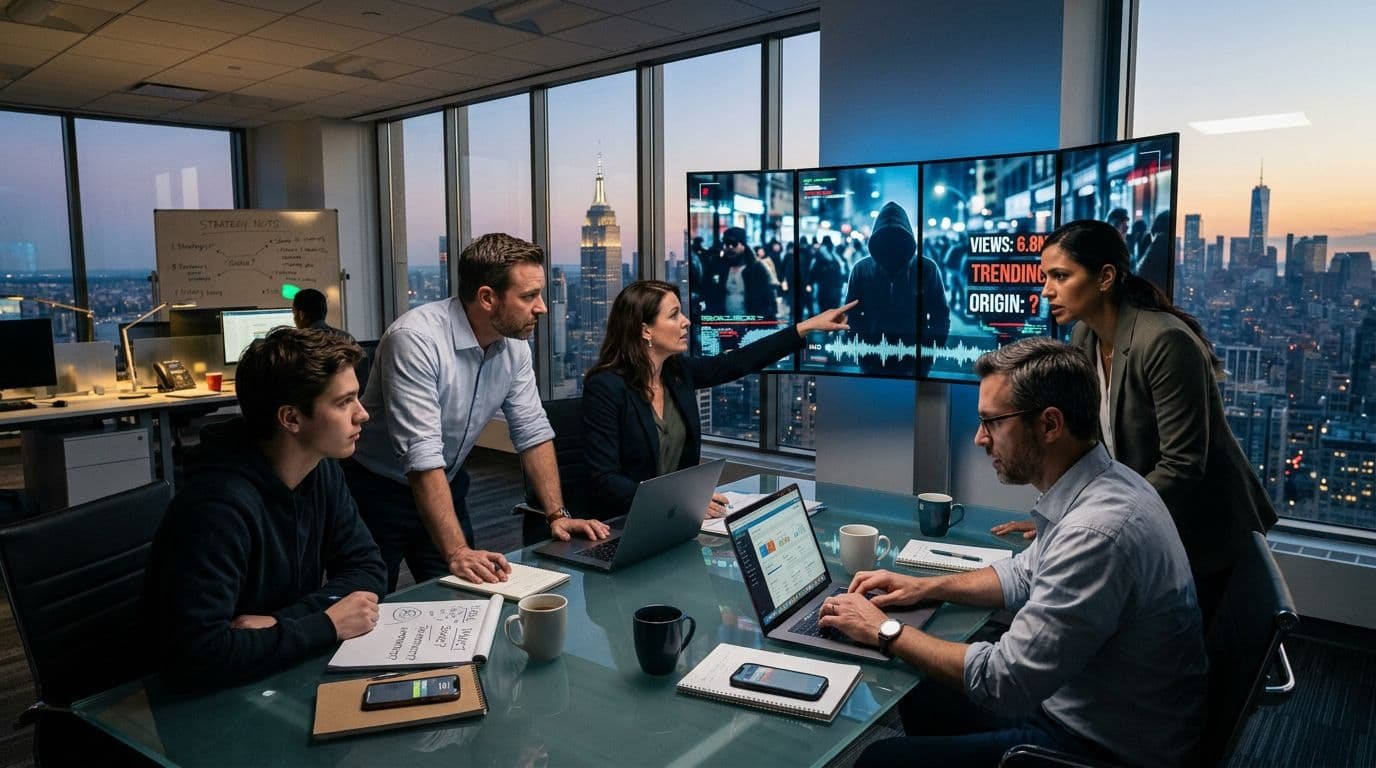
Most marketing damage isn’t a Hollywood-grade hoax. It’s a short clip, a cloned voice, or a fake “leaked” screen recording that hits social at the worst time.
Here are the scenarios I see most often in real workflows:
- Executive and brand impersonation: Video deepfakes like a fake apology video, a fake earnings “hint,” or a fake endorsement. This is why I pay attention to the regulatory pressure building around synthetic media, including what I covered in why governments are restricting Grok over deepfake risks.
- Influencer and UGC intake: A creator submits content that looks fine, but it’s partially synthetic (face swap, voice cloning, or AI-generated content). You publish it, and you own the fallout.
- Audio deepfakes in ads and podcasts: Voiceovers get outsourced, then a “talent” dispute appears later. If you can’t show provenance, the argument gets expensive.
- Crisis comms overload: During a controversy, your team gets flooded with clips of misinformation. Under stress, people accept “close enough” evidence.
One operational detail matters more than most teams expect: re-encoding. If you only scan a compressed copy ripped from social, detectors often lose signal from spoofing signals. I push teams to keep originals and scan early, before files bounce through five tools and three exports.
How I choose deepfake detection tools (without slowing launches)
A detector that lives on a separate island won’t get used. So I optimize for adoption first, then performance.
This is the checklist I use for machine learning deepfake detection tools:
1) Media coverage that matches marketing reality
Video-only tools miss voice clones. Audio-only tools miss facial manipulation. I prefer multimodal detection (video, image, audio) unless I have a clear single risk.
2) Workflow fit (API integration beats dashboard)
If you review 10 assets a week, a web upload tool can work. If you review 500, you need an API integration that plugs into your CMS, DAM, or upload pipeline.
3) Explainable outputs, not just a score
A “92% fake” number is helpful. It isn’t enough when Legal, Comms, and Brand ask why you blocked a paid campaign asset. I want artifacts like flagged segments, modality notes (audio vs video), narrative intelligence, and exportable reports.
4) Clear data handling
Marketing teams touch sensitive content (unreleased campaigns, celebrity contracts, internal all-hands recordings). I look for retention controls, deletion options, and an enterprise path for privacy review.
5) False positives you can operationalize
Every detector will flag weird lighting, heavy filters, and aggressive beauty retouching. I plan for review queues and second opinions. The wider “AI vs AI” trend is accelerating both attacks and defenses, which I summarized in Microsoft’s AI vs AI cyber warfare warning.
Best deepfake detection tools for marketing teams in 2026 (my shortlist)
Before the table, one framing: I don’t buy these tools for “truth.” I buy them to reduce publishing risk and tighten response time.
| Tool | Best for | Media types | What I’d use it for in marketing |
|---|---|---|---|
| Sensity AI | Brand and exec protection, investigations | Video, image, audio | High-stakes verification for brand protection, monitoring, and reports that hold up under scrutiny (Sensity has reported about 98% accuracy on some public datasets). |
| Hive Moderation (Hive AI) | High-volume screening | Video, image | Always-on intake checks for UGC, community posts, and paid social asset queues via API with high-throughput detection. |
| Reality Defender | Real-time protection and integrations | Video, image, audio | Continuous scanning with real-time monitoring in workflows where speed matters (I’d start by reviewing Reality Defender’s product scope for fit). Public pricing chatter often puts it in a multi-thousand-dollar monthly range for business plans, so I treat it as an enterprise line item. |
| Deepware Scanner | Fast triage | Video, audio | Quick probability checks using forensic signals when a clip is trending and you need a first pass in minutes. |
| Deep Media DeepID | Face manipulation focus | Video, image | Cases where face swaps are the main threat, leveraging visual forensics (creator claims, celebrity likeness, executive impersonation). |
| Resemble AI Detect | Audio deepfakes | Audio | Voice-focused screening for ads, podcasts, and call-based campaigns where cloned speech is the likely abuse path. |
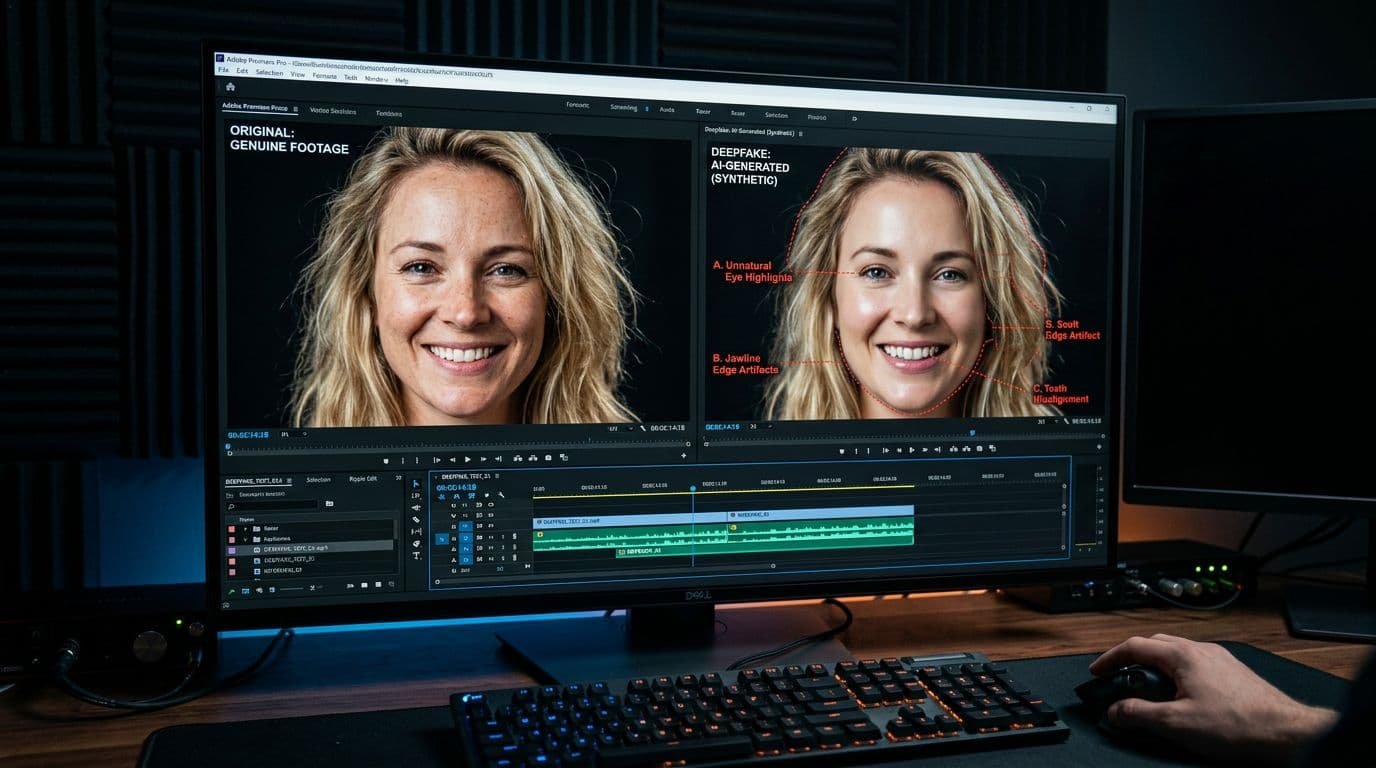
Two “special case” options I keep in mind, depending on the org: Microsoft Video Authenticator (where available in your environment) for teams living in Microsoft-first stacks, and Intel FakeCatcher for research-grade approaches that may fit higher-assurance settings more than everyday marketing.
A practical workflow I can defend in a post-mortem
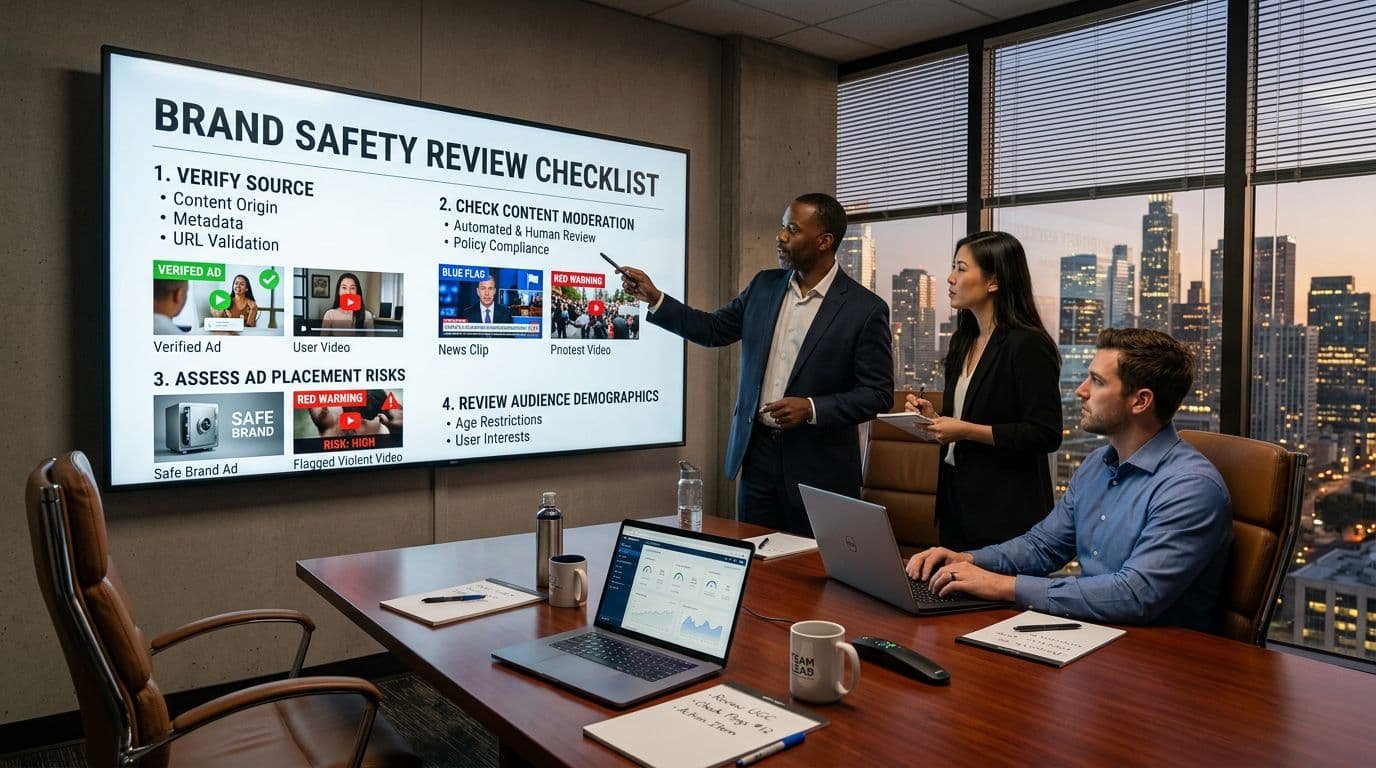
Tools don’t save you if your process still runs on vibes. Here’s the lightweight process I’ve seen work for US marketing teams that ship weekly:
First, scan at intake for content verification, not at publish time. That means influencer submissions, vendor voiceovers, and partner clips get checked before they hit editing.
Next, route by risk, not by seniority. Anything involving executives (risk of identity spoofing), finance claims, health claims, or competitor narratives gets a higher bar.
Then, require originals for “green lights.” If someone only provides a screen recording or a re-upload, I treat that as “needs more proof,” even if the detector score looks fine.
Finally, log decisions. A simple record (asset, source, scan results, reviewer, decision) turns chaos into an auditable trail that aids fraud prevention.
My main rule: if the detector flags something and the submitter can’t provide provenance fast, I pause the asset. Speed matters, but trust compounds slower than it breaks.
This pairs well with broader runtime defenses too. If your team runs AI-assisted publishing or agent workflows, I’d also look at adjacent controls like runtime security for LLM apps with Lakera Guard, which leverages threat intelligence, because synthetic media risk often rides alongside phishing, impersonation, and automation.
FAQ: Deepfake detection for brand and content teams
Are deepfake detection tools accurate enough to trust?
They’re good enough to reduce risk, not good enough to outsource judgment. Tools rely on pixel-level scoring and biological signals to analyze media, but I treat results as decision support, then confirm with provenance and source checks.
Should I use a free deepfake detector for marketing approvals?
For quick triage, yes. For paid campaigns or executive impersonation risk, I want enterprise controls, reporting, predictable handling, and cryptographic verification.
What content should I scan first?
Start with executive content, influencer submissions, voiceovers, and anything that could move your stock, your legal exposure, or your reputation.
Do I need separate tools for audio and video?
Not always. Multi-modal tools cover more cases, but a dedicated audio detector can be worth it if you publish lots of voice content like audio deepfakes.
What I’d roll out this quarter (and why)
I’d start with one detector leveraging deep learning and neural networks that fits your volume (API if you have queues, web tool if you don’t). Then I’d formalize the intake scan step and provenance requirements. After that, I’d measure how often you block or escalate assets, and use machine learning to tune thresholds so the team doesn’t ignore alerts.
Deepfakes and other manipulated media aren’t going away. The win is building a repeatable review system that keeps campaigns moving.